
Topic overview
In brief
- The USDA reported a national SNAP payment error rate of 10.62 percent for fiscal year 2025, a slight improvement from 10.93 percent in 2024.
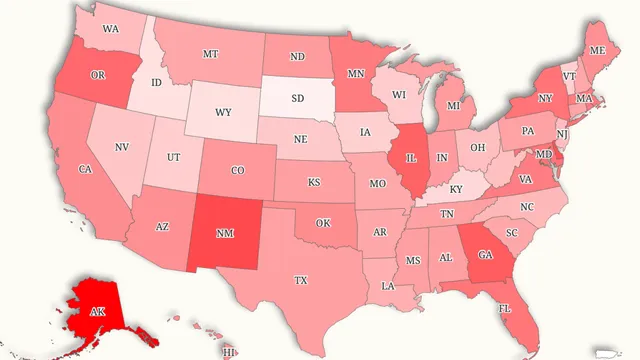
- 41 states and Washington, D.C., had error rates above the 6 percent threshold, leading to potential financial liabilities for those states.
- States may face significant costs and potential cuts to services as they prepare for new SNAP funding requirements starting in October 2027.
Summary
In the United States, the Department of Agriculture (USDA) reported significant findings regarding the Supplemental Nutrition Assistance Program (SNAP) for fiscal year 2025. The national error rate for SNAP payments was recorded at 10.62 percent, showing a slight improvement from the previous year's rate of 10.93 percent. This data indicates that 41 states and Washington, D.C., had error rates exceeding the 6 percent threshold, which is critical for avoiding additional financial responsibilities under the new cost-sharing system set to begin in October 2027. The implications of these error rates are profound, as states with high error rates may face substantial financial liabilities, potentially leading to cuts in other services or food assistance programs. For instance, Massachusetts could be liable for nearly $300 million, while New York's potential annual cost could exceed $1 billion. Virginia has also set aside $135 million for possible contributions in fiscal year 2028. The One Big Beautiful Bill Act (OBBBA) mandates that states with error rates above 6 percent will be required to pay a portion of their SNAP benefit costs unless they improve their performance. This new requirement has raised concerns among state officials, who fear that the financial burden could jeopardize the SNAP program across the country. In January 2026, a coalition of organizations representing various levels of government urged Congress to delay the implementation of these cost-sharing measures until fiscal year 2030, warning that the changes could threaten the stability of SNAP nationwide. The law's phase-in has also drawn criticism, as states with the highest error rates may initially have more time to comply than those with slightly better records. New York, for example, improved its error rate from 14.33 percent in 2024 to 6.86 percent in 2025, but this progress has inadvertently exposed New Jersey to potential costs of around $100 million. The situation remains precarious as states grapple with the financial implications of these error rates and the looming changes to SNAP funding.