
Topic overview
In brief
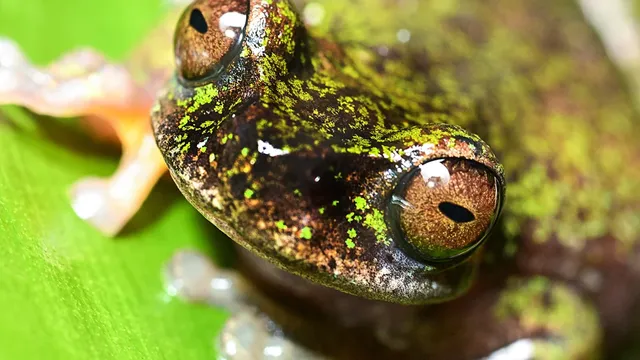
- A new species of tree frog, known as the spring frog, was confirmed in Costa Rica after being misidentified for decades.
- The tiny amphibians thrive in coffee plantations but are threatened by pesticide use and habitat loss.
- Conservation efforts are crucial to protect this endemic species and its fragile ecosystem.
Summary
In Costa Rica's central Pacific region, a tiny greenish frog, known as the spring frog, was rediscovered and confirmed as a new species for science. Measuring less than 4 centimeters, these dark green-spotted amphibians were first observed in the 1960s but were misidentified at that time. It wasn't until 2021 that researchers, including Wagner Chaves-Acuna from the University of Costa Rica, conducted genetic and morphological studies to confirm its status as a distinct species endemic to Costa Rica. The frog, also referred to as the coffee frog, thrives in coffee plantations, where it is primarily nocturnal and feeds on small insects rather than coffee berries. However, the species faces significant threats from the use of agrochemicals in farming, which can contaminate their habitat and aquatic systems where tadpoles develop. Chaves-Acuna highlighted the dangers posed by pesticides, which can travel through the air and seep into the soil, affecting the delicate ecosystem. Additionally, the coffee frog is at risk from other factors such as waste dumping, increased tourism, and habitat loss due to the invasion of protected areas. These challenges underscore the need for conservation efforts to protect this newly recognized species and its environment.