
Topic overview
Briefly
- President Trump signed an executive order advocating for spacing out childhood vaccines, including the MMR vaccine.
- Public health experts warn that this approach could increase the risk of children contracting preventable diseases.
- The order has sparked significant controversy and criticism from medical professionals and public health advocates.
What happened
On August 10, 2026, President Donald Trump signed an executive order in the United States that calls for a significant overhaul of childhood vaccine recommendations. The order advocates for spacing out childhood vaccinations, specifically recommending that the measles, mumps, and rubella (MMR) vaccine be administered in three separate shots during different medical visits. This decision has raised concerns among public health experts, who warn that delaying vaccinations could increase the risk of children contracting vaccine-preventable diseases before they receive their next shot. The executive order also proposes reducing the number of recommended vaccines from 17 to 11, a move that has been met with skepticism regarding its legal authority, as the Centers for Disease Control and Prevention (CDC) typically sets immunization schedules based on expert recommendations.
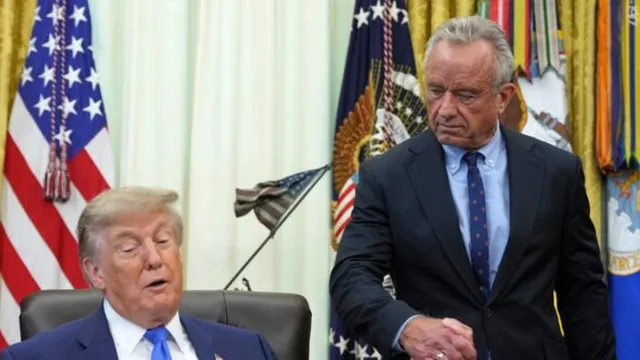
The announcement was made during a press conference at the Oval Office, where Trump framed the order as a victory for parental rights and a step towards what he termed 'gold standard science.' He suggested that the number and timing of vaccines might be linked to rising autism rates, despite overwhelming scientific consensus that there is no connection between vaccines and autism. This assertion has been widely discredited by medical professionals and researchers, who emphasize the safety and efficacy of vaccines in preventing serious diseases.
In response to the executive order, Senator Bill Cassidy, a Republican and medical doctor, publicly criticized Trump, stating that the president lacks the expertise to make such changes and urging parents to trust their child's pediatrician over the executive order. Cassidy's comments reflect a broader concern among healthcare professionals that the proposed changes could lead to increased vaccine hesitancy and ultimately jeopardize public health. The senator emphasized that vaccines are overwhelmingly safe and effective, reiterating that they do not cause autism.
The executive order is part of a larger trend within the Trump administration, which has seen efforts to challenge established vaccine guidelines and promote alternative views on vaccination. Health and Human Services Secretary Robert F. Kennedy Jr., known for his anti-vaccine stance, has been instrumental in pushing for changes to immunization policies. The order also directs various federal departments to ensure compliance with constitutional and federal obligations regarding parental authority and religious exemptions related to vaccinations. As students return to school, the timing of this order raises significant public health concerns, particularly in light of ongoing measles outbreaks in the country.

Comprehensive report
Full story,
in detail.
Trace the developments that led here, see how the story evolved, and understand the forces and wider context surrounding it.