
Topic overview
Briefly
- France shut down up to 15% of nuclear capacity due to high river temperatures.
- Rhine water levels at Kaub fell below critical, halting barge traffic and disrupting supply chains.
- Triodos estimates GDP losses of 1.4% in France, 1.1% in Italy, and under 1% in Germany and Spain.
What happened
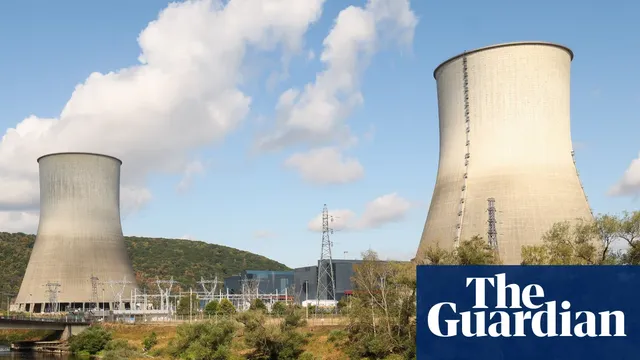
The summer of 2026 brought unprecedented heatwaves across Europe, causing widespread economic disruption. In France, soaring temperatures led to the shutdown of nuclear power plants because river temperatures became too high for cooling systems to discharge heat. At its peak, up to 15% of the country's nuclear capacity was offline, forcing the country to rely on more expensive energy sources and pushing up electricity prices for businesses and consumers. Economists at Triodos estimated that this could shave 1.4 percentage points off France's GDP, potentially pushing the economy into recession. This added to France's fiscal challenges, as the government faced high borrowing costs amid political disputes over tax and spending.
In Germany, the heatwaves caused water levels in the Rhine and Danube rivers to drop dramatically. The Rhine, a critical freight route, saw water levels at Kaub fall well below critical thresholds, forcing barges to reduce their loads and nearly halting shipping traffic. This disrupted supply chains, particularly for the chemical industry, which relies heavily on river transport. The head of the German chemical industry association warned that logistics were being pushed to their limits. While the impact on Germany's GDP was expected to be less severe than in France, at under one percentage point, it added pressure to an economy already facing competition from Chinese imports.
Spain also suffered from the heat, with an estimated 47 excessively hot days by the end of summer. The heat led to a temporary drop in consumer spending during wildfire evacuations, but spending recovered quickly. However, the cumulative effect was expected to reduce Spain's GDP growth by almost one percentage point, compared to the European Commission's forecast of 2.8% growth. Italy faced similar challenges, with agricultural losses estimated at €20 billion over the past four years due to climate impacts, affecting crops like tomatoes, olive oil, and wine. The heatwaves also threatened Italy's tourism industry, as repeated hot summers might deter visitors. Triodos projected Italy would be the second-hardest hit EU country, with 1.1 percentage points wiped off GDP.
Poland was an outlier, experiencing only a few more hot days than normal. However, it was not entirely insulated: low rainfall reduced river levels, forcing some power plants to shut down, and the electricity grid operator had to invoke emergency powers during a difficult period. Overall, the heatwaves highlighted the vulnerability of European economies to climate change, with energy, transport, agriculture, and tourism all affected.

Comprehensive report
Full story,
in detail.
Trace the developments that led here, see how the story evolved, and understand the forces and wider context surrounding it.