
Topic overview
In brief
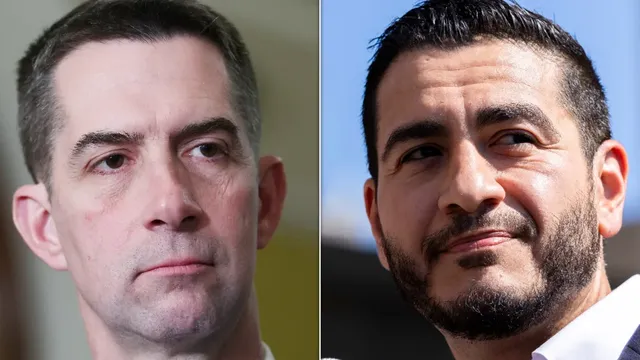
- Senator Tom Cotton mistakenly attributed a quote about 9/11 to Abdul El-Sayed, who is running for Michigan's U.S. Senate seat.
- Cotton's error was echoed by fellow Republican Mike Rogers, leading to widespread criticism from journalists and political commentators.
- The incident raises concerns about El-Sayed's campaign and his associations with controversial figures.
Summary
In the United States, Arkansas Senator Tom Cotton recently made headlines for incorrectly attributing a controversial quote regarding the September 11, 2001, terrorist attacks to Abdul El-Sayed, who has secured the Democratic nomination for Michigan's U.S. Senate seat. Cotton's error occurred when he shared a post from Senator Chris Murphy, expressing excitement over El-Sayed's victory over moderate Democrat Haley Stevens. In his post, Cotton claimed that El-Sayed had stated America deserved 9/11, a statement that was actually made by leftist influencer Hasan Piker during a Twitch broadcast in 2019. This mix-up highlights the ongoing tensions within the political landscape, particularly regarding the Democratic Party's progressive wing. Cotton's comments were not isolated; fellow Republican Mike Rogers also mistakenly linked the same quote to El-Sayed on social media, further amplifying the confusion. The backlash against Cotton's statement was swift, with journalists and political commentators calling out the inaccuracies. Notably, Semafor journalist David Weigel remarked on the Republican Party's apparent disregard for fact-checking in this instance. Following the criticism, Cotton updated his post to clarify that El-Sayed associates with extremists who have made inflammatory remarks about 9/11. This incident has sparked discussions among Democrats as well, with some party members expressing concern over El-Sayed's ties to Piker, suggesting that these associations could jeopardize his campaign in the upcoming general election. Prominent Democrats, including Senator John Fetterman, have advised El-Sayed to distance himself from Piker to avoid potential backlash from voters. The situation underscores the complexities of political alliances and the impact of social media on public perception, especially in a highly charged electoral environment.