
Topic overview
In brief
- The outbreak of cyclosporiasis has affected multiple states, with thousands of reported cases since May 1, 2026.
- Michigan and Ohio have reported significant increases in cases, with Michigan having over 10,000 cases and Ohio over 4,000.
- The outbreak has been linked to contaminated lettuce served at Taco Bell, prompting recalls and health warnings.
Summary
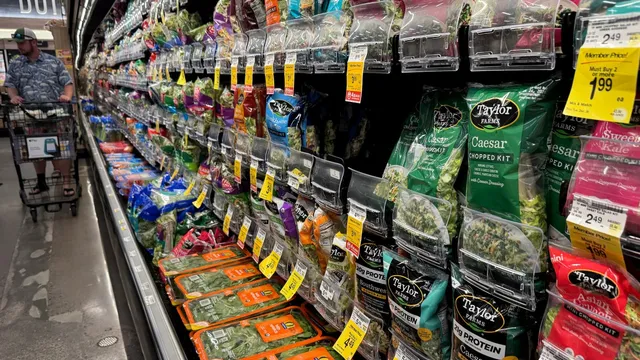
In the United States, a significant outbreak of cyclosporiasis has been reported, affecting several states since May 1, 2026. The gastrointestinal illness caused by the Cyclospora parasite has led to thousands of infections and hundreds of hospitalizations. As of late July, the Michigan Department of Health and Human Services reported 10,773 cases, with 193 hospitalizations, indicating a sharp increase in infections. Ohio has also seen a rise, with 4,013 cases reported as of July 25, up from 2,576 just two days prior. Florida and Virginia are among other states experiencing increases in cases, with Florida reporting 254 cases and Virginia 162 cases as of late July. The outbreak has been linked to contaminated lettuce served at Taco Bell restaurants, with federal health officials initially identifying the source in Indiana, Kentucky, Michigan, Ohio, and West Virginia. The U.S. Food and Drug Administration later expanded the list of affected states to include Illinois, Kansas, Oklahoma, and Pennsylvania. Taco Bell responded by removing shredded iceberg lettuce supplied by Taylor Farms from its restaurants on July 17, 2026. Taylor Farms also expanded a voluntary recall of iceberg lettuce grown in central Mexico, which had been shipped to 27 states. The Centers for Disease Control and Prevention (CDC) has noted that the official count of cases likely underrepresents the true number of infections, as many individuals recover without seeking medical care or being tested. This outbreak highlights the ongoing public health challenges posed by foodborne illnesses and the importance of monitoring and responding to such incidents promptly.