
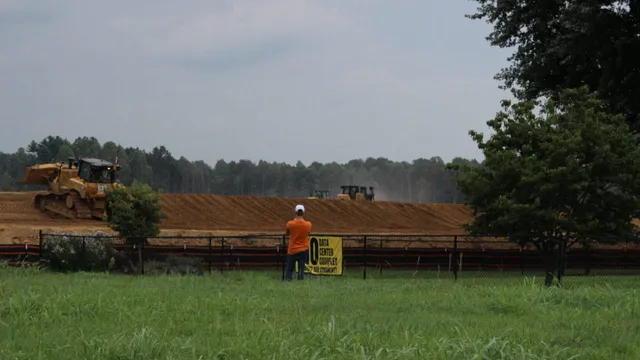
Topic overview
In brief
- Data center development is rapidly increasing in West Virginia, with significant projects like the Monarch Compute Campus underway.
- Local residents express concerns about environmental impacts, particularly on water resources and the landscape.
- Community advocates call for strategic growth that considers local input and environmental preservation.
Summary
In West Virginia, the development of data centers is rapidly increasing, with state officials actively promoting these projects. The Monarch Compute Campus, a significant data center project, is currently under construction along the Ohio River, expected to be the largest in the state. Local residents, such as Amy Margolies, have expressed concerns about the environmental impact of these developments, particularly regarding water resources and the alteration of the landscape. Margolies leads a grassroots coalition that formed in response to a nearby data center project, emphasizing the need for local input and control over such developments.
The community's apprehension stems from a lack of clarity about the economic benefits and potential risks associated with data centers. Analysts, including Kelly Allen from the West Virginia Center on Budget and Policy, highlight the uncertainty surrounding the actual scale and feasibility of these projects. Many proposed data centers may take years or even decades to materialize, leading to skepticism about the promised benefits. Furthermore, the state has provided significant tax incentives to attract developers, which diminishes the potential advantages for local communities.