
Topic overview
In brief
- Uberaba Geopark is located in Brazil's Cerrado biome and dates back to the Late Cretaceous period.
- The park is home to over 10,000 well-preserved fossils, including those of dinosaurs and prehistoric creatures.
- In 2024, the park was designated as a UNESCO Global Geopark, highlighting its geological and natural heritage.
Summary
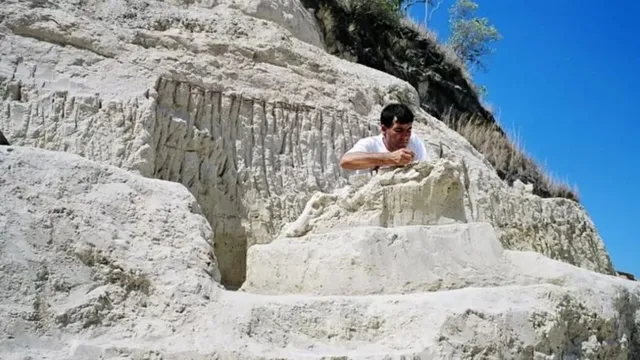
Uberaba Geopark, located in Brazil's Cerrado biome, is a significant paleontological site that dates back to the Late Cretaceous period, approximately 100.5 million to 66 million years ago. This region, often referred to as the 'Land of the Giants,' has preserved a remarkable array of fossils, including those of dinosaurs, prehistoric crocodyliforms, and turtles. The park is home to over 10,000 fossils, with notable discoveries such as the Uberabatitan ribeiroi, a massive titanosaur. The geological features of the park, including the Serra da Galga formation and the Serra Geral mountain range, were formed from ancient volcanic activity and provide ideal conditions for fossil preservation due to the area's historical alternation between lagoons and river systems.
The Uberaba Geopark is not only significant for its paleontological treasures but also for its ecological importance. The Cerrado savanna, which encompasses the park, is a critical carbon sink that supports over 12,000 plant species and diverse wildlife. The region's geological and natural heritage led to its designation as a UNESCO Global Geopark in 2024. Additionally, the park sits atop the Guarani aquifer, one of the largest freshwater reservoirs in the world, which is vital for supplying drinking water to numerous cities across Brazil and neighboring countries.