
Topic overview
Briefly
- Berlioz's Requiem requires a huge choir, expanded orchestra, four brass bands, and extensive timpani
- Pappano placed all brass bands at the front, yet achieved surround-sound via ricocheting sound
- The two amateur choruses, about 250 singers, delivered a magnificent performance despite exposed,dif
What happened
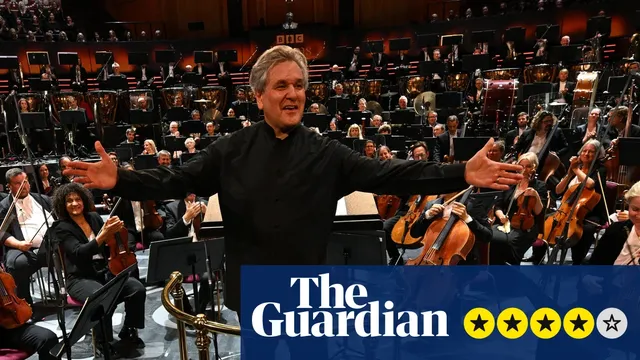
The annual BBC Proms season, held at the Royal Albert Hall in London, featured a monumental performance of Hector Berlioz's Requiem, formally titled Grande Messe des Morts. The concert took place recently, with the exact date not specified in the provided text, but it was a significant event in the classical music calendar. Antonio Pappano, the chief conductor of the London Symphony Orchestra (LSO), led the combined forces of the LSO, the LSO Chorus, and the BBC Symphony Chorus, totaling around 250 amateur singers. The performance spanned 80 minutes and showcased the work's extraordinary scale, which requires a huge choir, an expanded orchestra, four brass bands, and a vast array of percussion, including ten timpani players and four tam-tams.
Berlioz composed the Requiem in 1837, and it is known for its dramatic and visceral setting of the Catholic funeral mass text. The composer had lost his personal faith by that time, so the work is less a personal devotion and more a powerful musical painting of the text's imagery, emphasizing desperation and the terror of judgment. The performance at the Proms captured this essence, with Pappano sweeping the massed forces through the work's many contrasts. The special effects were a highlight, particularly in the Tuba Mirum section, where thrilling brass fanfares gave way to a blur of drumsticks as timpani and tam-tams created an enveloping low-frequency swell that could be felt through the floor, evoking the splitting of the earth and the emptying of graves.
Pappano made a notable staging decision by placing all four brass bands at the focal end of the hall rather than distributing them around the gallery as is sometimes done. Two bands were positioned directly behind the orchestra, and two were placed high up on either side of the choir. This choice was likely made to ensure coordination among the large forces, but it still achieved a surround-sound effect because the loudest moments from the high-up players ricocheted off the opposite walls. The Sanctus section provided a striking contrast, with seven pairs of cymbals being lifted, which initially suggested a powerful impact, but the actual sound was surprisingly gentle, a shimmery swish that framed the tenor solo of Julien Henric, who sang with valiant poise. This delicate effect was almost like the beat of angelic wings.
Despite the work's reputation for grandeur, much of the Requiem is actually thinly scored. Long passages feature the choir accompanied by only a handful of instruments, and some sections, like the Quaerens Me, are sung a cappella. This places immense demands on the chorus, as the choral writing is mercilessly exposed, difficult to tune, and particularly high for the tenors. The two amateur choruses, combined to form a force of about 250 singers, delivered a magnificent performance, whether singing with chant-like innocence or with fierce desperation. The concert was a testament to the power of large-scale choral music and the skill of the performers in navigating its challenges, leaving the audience with a profound experience of Berlioz's masterpiece.

Comprehensive report
Full story,
in detail.
Trace the developments that led here, see how the story evolved, and understand the forces and wider context surrounding it.