
Topic overview
Briefly
- Abdul El-Sayed won the Michigan primary despite being heavily outspent.
- The funding disparity highlights the influence of Super PACs and corporate interests in elections.
- Centrist Democrats fear that progressive candidates may lead to losses in future elections.
What happened
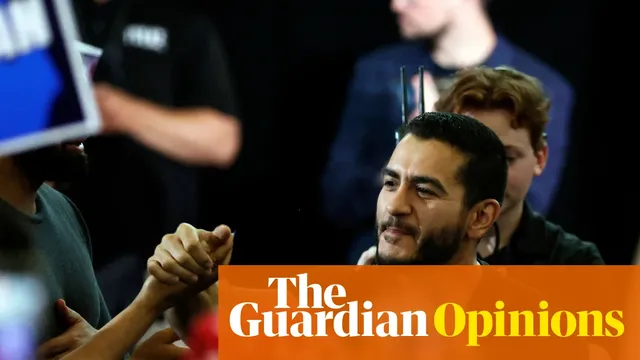
In the United States, the political landscape has been increasingly polarized, particularly within the Democratic Party. Recent events have highlighted the struggle between centrist Democrats and progressive candidates, exemplified by the Michigan primary where Abdul El-Sayed emerged victorious. Despite being significantly outspent, with his opponent receiving substantial funding from a Super PAC linked to the American Israel Public Affairs Committee, El-Sayed's win signals a shift in voter sentiment towards more progressive policies. This has raised concerns among centrist Democrats about the viability of progressive candidates in future elections, particularly in the context of the upcoming 2028 presidential race.
The Democratic establishment has been criticized for its inability to effectively counter the influence of Donald Trump and the Republican Party. As progressive candidates gain traction, there is a growing fear that the party's centrist wing may struggle to maintain its relevance. The establishment's apprehension stems from the belief that a candidate representing the progressive left could be perceived as too radical, potentially alienating moderate voters and leading to a loss in the general election. This internal conflict within the party reflects broader societal tensions and the challenges of navigating a rapidly changing political environment.
Moreover, the funding dynamics of recent campaigns reveal the significant role that external interests, such as lobbyists and corporate groups, play in shaping electoral outcomes. The overwhelming financial support for El-Sayed's opponent underscores the challenges faced by progressive candidates who often rely on grassroots support rather than large donations from special interest groups. This disparity in funding raises questions about the influence of money in politics and the extent to which it can dictate the direction of the Democratic Party.
As the party grapples with these issues, the question remains whether it will embrace the progressive movement or continue to resist it. The outcome of this internal struggle will have profound implications for the future of the Democratic Party and its ability to connect with voters who are increasingly disillusioned with the status quo. If the establishment chooses to dismiss progressive candidates as mere radicals, it risks losing touch with a significant portion of the electorate that is yearning for change. The stakes are high as the party prepares for the next election cycle, and the decisions made in the coming months will shape its trajectory for years to come.

Comprehensive report
Full story,
in detail.
Trace the developments that led here, see how the story evolved, and understand the forces and wider context surrounding it.