
Topic overview
Briefly
- Switzerland's Jura region features three lakes linked by canals and regular ferry services.
- St Peter's Island was once visited by Joséphine Bonaparte, attracting over 1,000 boats.
- Local wine, like chasselas, is available for 15 Swiss francs a bottle at lakeside cellars.
What happened
The Jura and Three Lakes region, situated on the French border of Switzerland, is an often-overlooked destination that provides a unique and tranquil travel experience. This area is home to the Jura Mountains, known as the country's gentlest summits, and three glacial-blue lakes: Biel, Neuchâtel, and Murten. These bodies of water are linked by the scenic Zihl and Broye canals, and a network of regular ferries makes lake-hopping a viable and attractive option for visitors. The region's relative obscurity means that even popular spots, such as St Peter's Island, can feel empty and Crusoe-esque, offering a sense of solitude and discovery. The island, reachable by a short ferry ride from mainland towns like La Neuveville or Ligerz, has a rich history, having been home to Romans and Benedictine monks, and was once visited by historical figures such as Alexandre Dumas, Goethe, and Joséphine Bonaparte. The arrival of Joséphine Bonaparte was a particularly grand affair, with reports claiming over 1,000 boats sailed onto the lake to witness her presence.
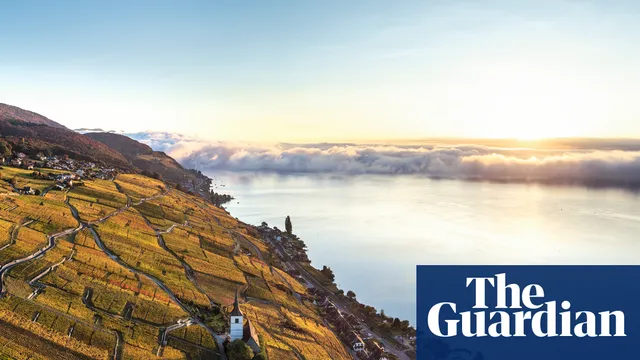
The region's appeal extends beyond its natural beauty and historical sites to include a strong culinary and viticultural tradition. The village of Ligerz, located on the Franco-German linguistic border along Lake Biel's northern banks, is a prime example. Here, visitors can enjoy local wines, such as a chilled lemony chasselas, at family-run cellars like Andrey Schafis, a fifth-generation establishment. A bottle of wine can be enjoyed on a restaurant terrace overlooking the water for 15 Swiss francs, accompanied by local charcuterie and cheese. The area's topography also allows for unique perspectives, such as the view from the Tessenberg plateau, reached by the Vinifuni funicular from Ligerz. From this vantage point, the landscape unfolds as a patchwork of gold and green fields stitched around the three enormous blue lakes, a view described as one of the most dazzling, despite the Jura's gentle crests.
The experience of visiting the Three Lakes region is characterized by a sense of peace and accessibility. The lakes are dotted with easily reachable swimming spots and beaches, often deserted, allowing for solitary morning swims with only local wildlife for company. The hospitality in the area is noted as being particularly delightful, with hosts like Mélanie and Marcello Pigozzo contributing to the region's charm. The overall impression is of a different, more serene Switzerland, one that exists beyond the more celebrated Alpine addresses. The combination of gentle natural beauty, historical depth, accessible water-based travel, and local gastronomy creates a compelling case for the region as a distinct and rewarding travel destination.
The broader implication of highlighting this region is the potential to redirect tourist attention away from overcrowded European hotspots. By presenting the Jura and Three Lakes as a viable alternative to destinations like the Greek or Croatian islands, the narrative suggests a model for sustainable tourism that benefits lesser-known areas. The region's infrastructure of regular ferries, scenic canals, and connected lakes provides a ready-made framework for a lake-hopping itinerary, with the added benefits of Swiss cheese and wine. This not only offers a unique experience for the traveler but also supports local economies that are often bypassed by mainstream tourism. The story of Joséphine Bonaparte's visit, which drew a thousand boats, serves as a historical echo of the region's potential to captivate, a potential that remains largely untapped in the modern era.

Comprehensive report
Full story,
in detail.
Trace the developments that led here, see how the story evolved, and understand the forces and wider context surrounding it.