
Topic overview
Briefly
- The Ebola outbreak in Congo has resulted in over 2,000 deaths and 4,381 confirmed cases.
- Health authorities are struggling to respond effectively due to conflicts, poor infrastructure, and health worker strikes.
- The outbreak is the second-largest in history and has been declared a public health emergency by the WHO.
What happened
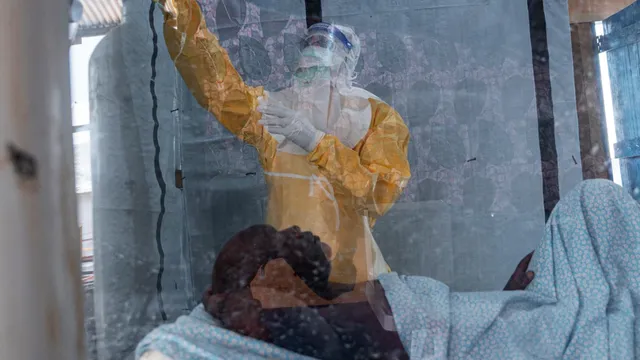
Congo is currently facing a severe Ebola outbreak that has resulted in over 2,000 deaths among 4,381 confirmed cases. This outbreak, declared on May 15, has become the fastest spreading on record, with the death toll reaching 1,000 in just three weeks after the first 1,000 deaths were recorded. The outbreak is primarily affecting remote areas, where health authorities are struggling to provide timely assistance due to ongoing rebel conflicts, poor infrastructure, and work stoppages by health workers protesting unpaid wages. The World Health Organization has classified this outbreak as a public health emergency of international concern, highlighting the urgency of the situation. The outbreak is particularly alarming as it is caused by the rare Bundibugyo virus, which currently has no approved vaccines or treatments. Clinical trials for potential vaccines and treatments have begun in Ituri, the epicenter of the outbreak. The WHO has indicated that the outbreak likely began in February, long before it was officially detected, with some early cases misdiagnosed as malaria or typhoid. The rapid spread of the virus has outpaced the response efforts, with many new cases occurring outside of monitored contacts. The current outbreak is the 17th that Congo has faced, and it is now the second-largest in history, following the devastating 2014-2016 West Africa outbreak.

Comprehensive report
Full story,
in detail.
Trace the developments that led here, see how the story evolved, and understand the forces and wider context surrounding it.