
Topic overview
In brief
- An abandoned SpaceX Falcon 9 rocket part is set to crash into the moon on August 5, 2026.
- The impact may be visible from parts of North and South America, requiring a telescope for observation.
- This event offers a unique opportunity for scientific research on the effects of human activity on the lunar surface.
Summary
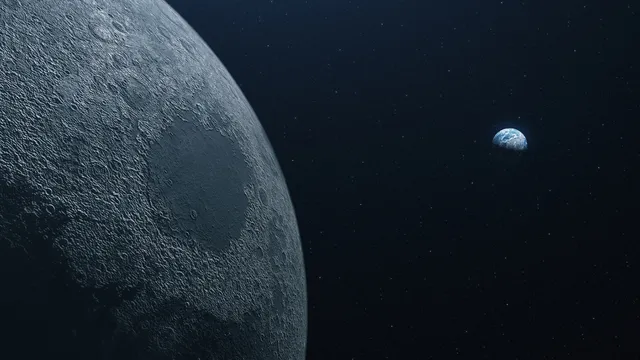
On August 5, 2026, an abandoned part of a SpaceX Falcon 9 rocket is expected to crash into the moon at 2:35 a.m. EDT. This event is significant as it presents a rare opportunity for both amateur and professional astronomers to observe the collision from parts of North and South America. The rocket's upper stage, which is about the size of a truck, was initially launched in 2005 to boost two privately owned landers into orbit around the moon. After completing its mission, the upper stage was left in an elliptical orbit around Earth.
The impact is anticipated to occur on the sunlit side of the moon, making the initial flash of the collision difficult to see with the naked eye. Estimates suggest that the flash will be about 20 times dimmer than Saturn, lasting less than a second. However, the resulting plume of debris is expected to reach heights of up to 31 miles and could be visible for up to seven minutes as it scatters sunlight toward Earth. This plume will spread debris over a wide area, potentially reaching up to 112 miles from the impact site.