
Topic overview
Briefly
- Erika Castellanos has lived beyond the average life expectancy for transgender women in Latin America, overcoming significant challenges.
- She began her HIV treatment in 2000, relying on donated medicines during a time of limited options.
- Her advocacy work highlights the critical need for healthcare access and human rights protections for marginalized communities.
What happened
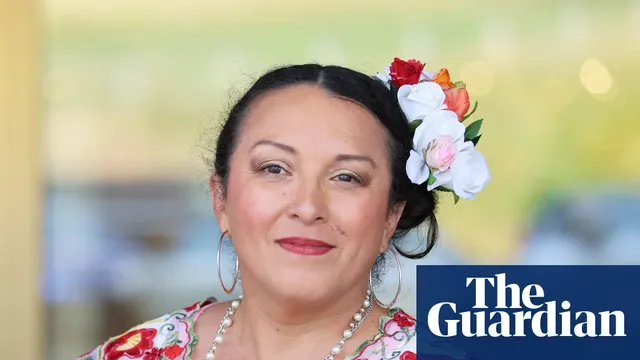
In Belize, Erika Castellanos has become a prominent advocate for the rights of transgender individuals, particularly those living with HIV. Having survived the stigma and challenges associated with being a trans woman in Latin America, she has surpassed the average life expectancy of 35 for transgender women in the region. Castellanos began her HIV treatment in 2000, relying on donated medicines during a time when effective treatment was scarce. Her experiences in healthcare settings, where she faced discrimination and humiliation, motivated her to fight for better access to healthcare and to create supportive spaces for those living with HIV.
Now residing in the Netherlands, Castellanos leads Global Action for Trans Equality (Gate), focusing on improving healthcare access and advocating for human rights. She emphasizes the importance of community organizations in addressing the gaps left by healthcare systems, especially in low-income countries. Castellanos warns that recent international funding cuts, including reductions from USAID and Pepfar, threaten to reverse the progress made in HIV treatment and support for marginalized communities.
At the Aids 2026 conference in Rio de Janeiro, Castellanos highlighted the intersection of human rights and health, echoing the sentiments of Winnie Byanyima, executive director of UNAids. Byanyima pointed out that criminalizing individuals at risk of HIV only exacerbates the issue, as fear of arrest and discrimination keeps them from seeking necessary services. Castellanos's advocacy work is driven by her personal experiences and the urgent need for systemic change in how healthcare is delivered to marginalized populations.
The rollback of human rights protections, particularly for women and marginalized groups, poses a significant risk to the fight against HIV. Castellanos's story serves as a reminder of the ongoing struggles faced by trans individuals and the critical need for continued advocacy and support to ensure that everyone has access to the healthcare they deserve.

Comprehensive report
Full story,
in detail.
Trace the developments that led here, see how the story evolved, and understand the forces and wider context surrounding it.