
Topic overview
In brief
- In 2013, Lucy Sante was emotionally affected by Daft Punk's song 'Get Lucky,' which reminded her of the disco era.
- The song contrasts with past disco music, showcasing a more relaxed and confident approach.
- Sante's experience highlights the evolution of music and its ability to evoke powerful memories and emotions.
Summary
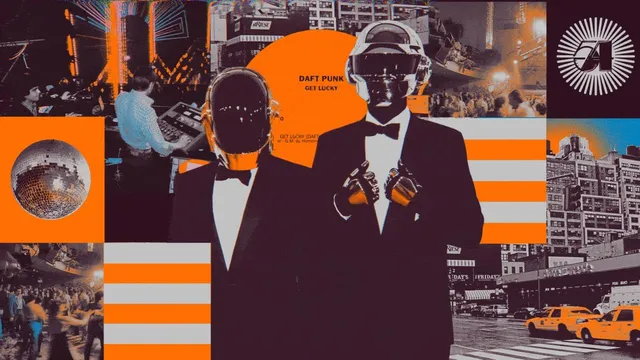
In the summer of 2013, Lucy Sante was deeply moved when she first listened to Daft Punk's hit song, 'Get Lucky.' The song evoked memories of the disco era from the late 1970s, a time when disco music was a significant part of the cultural landscape in New York City. Sante described how the song resonated with her personal experiences, connecting her to the vibrant atmosphere of the city and the people she encountered daily. The emotional impact of the song was so profound that it brought her to tears, reminding her of the romantic hopes and dreams that characterized her youth.
Sante reflected on the differences between the disco music of the late 1970s and the contemporary sound of 'Get Lucky.' While the disco of the past often focused on simpler themes and avoided complex emotions, Daft Punk's track presented a more relaxed and self-assured perspective. The collaboration with Nile Rodgers and Pharrell Williams infused the song with a sense of triumph and confidence, contrasting sharply with the more intense and socially aware disco anthems of the past, such as 'There but for the Grace of God Go I' by the New York disco band Machine.