
Topic overview
Briefly
- Katendrecht was once a vibrant sailors' quarter and the first Chinatown in continental Europe.
- The area has been transformed from a red-light district into a cultural hub with museums and dining options.
- Future developments will further enhance Katendrecht's appeal as a vibrant neighborhood.
What happened
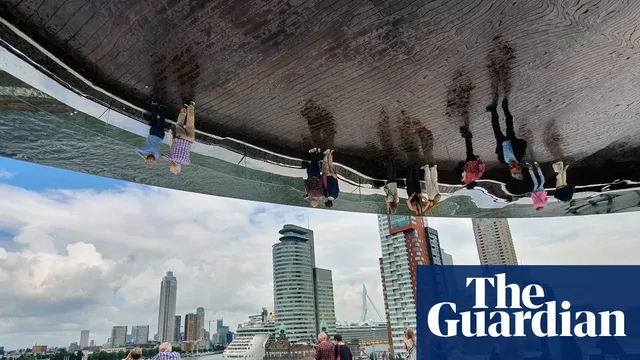
Katendrecht, a thin peninsula located just south of Rotterdam's center in the Netherlands, has undergone significant transformation over the years. Once known as a bustling sailors' quarter and the first Chinatown in continental Europe, it later gained notoriety as a red-light district. However, following extensive bombing during World War II, the area began a process of regeneration. Today, it stands as a testament to Rotterdam's resilience and commitment to cultural revitalization. The opening of the pedestrian and bicycle Rijnhaven Bridge in 2012 played a crucial role in reconnecting Katendrecht to the Wilhelminapier, a major cruise terminal that sees over 100 ships depart annually. This connection has facilitated the influx of new residents and visitors, contributing to the area's vibrant atmosphere.
The transformation of Katendrecht is evident in the repurposing of its historic warehouses into museums and cultural venues. The Museum of Immigration, which opened in May 2026, serves as a focal point for visitors, showcasing the stories of migrants and their journeys. Architect Ma Yansong described the museum as a metaphor for migration, highlighting the experiences of various communities, including Cape Verdean migrants, Jewish families, and Chinese seafarers. The museum's industrial space is utilized to display photography, art, and sculpture that reflect the themes of immigration and displacement.
In addition to cultural institutions, Katendrecht has become a culinary destination. Local establishments such as Jordy’s Bakery and O: Anatolian Café offer a range of food options, from pastries to Turkish breakfasts, attracting both locals and tourists. The Fenix Food Factory is a popular spot for craft beer enthusiasts, while fine dining options like De Matroos en Het Meisje provide a unique culinary experience with a changing menu based on seasonal produce. The area’s vibrant food scene complements its cultural offerings, making it a desirable place to visit and live.
Looking ahead, Katendrecht is set to undergo further development with new construction projects planned over the next five years. These projects include the addition of apartments, shops, a five-star hotel, an urban beach, and the Rotterdam Centre for Dance, Danshuis. As the neighborhood continues to evolve, it is clear that Katendrecht is not only reclaiming its historical significance but also establishing itself as a dynamic cultural hub in Rotterdam.

Comprehensive report
Full story,
in detail.
Trace the developments that led here, see how the story evolved, and understand the forces and wider context surrounding it.