
Topic overview
Briefly
- Reform UK is currently trailing behind the Labour Party in polls, with Labour at 28% and Reform at 25%.
- Nigel Farage announced his resignation from his Clacton seat amid allegations of questionable political funding.
- The scrutiny surrounding Reform UK raises significant questions about the party's future and electoral viability.
What happened
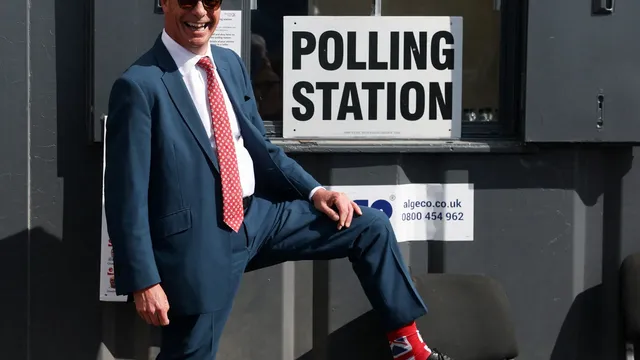
In the United Kingdom, the political landscape has been shifting significantly, particularly for the Reform UK party led by Nigel Farage. Recent polling data indicates that the party is struggling to maintain its popularity, with Labour now leading at 28% compared to Reform's 25%. This decline in support has been attributed to various factors, including Farage's announcement of his resignation from his Clacton seat, which he made on July 7. This decision came as he faced allegations regarding political funding, particularly concerning donations linked to Conservative defector Robert Jenrick's failed leadership campaign. The scrutiny surrounding these donations raised questions about their origins, with concerns that some may have come from impermissible overseas sources.
The situation worsened for Reform UK as renewed attention was drawn to George Cottrell, a convicted fraudster and close associate of Farage, who has ties to the party's deputy leader, Richard Tice. This association has led to further doubts about the party's integrity and financial practices. Farage's resignation was framed as a move to submit to the judgment of his electorate, but it also highlighted the challenges Reform UK faces in a political environment where accountability and transparency are increasingly demanded by the public.
As major parties boycotted the by-election, Farage's main opponent became Count Binface, a satirical candidate whose campaign turned the election into a spectacle rather than a serious political contest. This unusual situation reflects the broader challenges facing Reform UK, as they attempt to navigate a political landscape that has become more critical of populist movements. The party's attempts to portray the investigations as establishment smears have not resonated well with the electorate, who are wary of political leaders bending the rules.
The consequences of these events have been significant for Reform UK, as they have underperformed in recent elections, including the Makerfield by-election, which occurred shortly after the revelations about funding surfaced. Analysts suggest that the party's rise led to increased scrutiny, similar to what traditional parties experience, and that Farage's leadership is crucial to the party's success. Without him, the rest of the team is perceived as lacking the ability to capture public attention and support. The future of Reform UK remains uncertain as they grapple with these challenges and the implications of Farage's resignation.

Comprehensive report
Full story,
in detail.
Trace the developments that led here, see how the story evolved, and understand the forces and wider context surrounding it.