
Topic overview
In brief
- Lindsay Clancy killed her three children in January 2023.
- She has pleaded not guilty, claiming she was not in control due to postpartum psychosis.
- The trial is ongoing, with significant implications for mental health and criminal law.
Summary
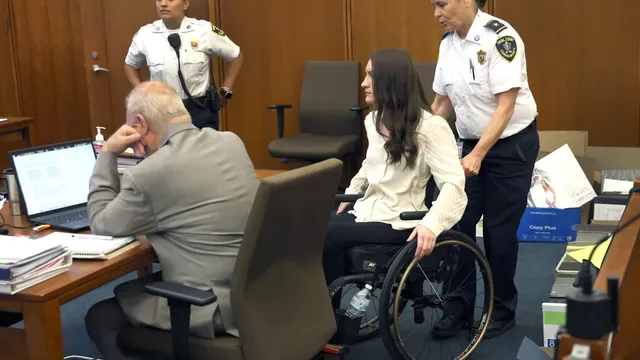
In January 2023, Lindsay Clancy, a 35-year-old mother from Duxbury, Massachusetts, was involved in a tragic incident that resulted in the deaths of her three children: 5-year-old Cora, 3-year-old Dawson, and 8-month-old Callan. On January 24, Clancy killed her children in their home and subsequently attempted to take her own life by jumping out of a second-story window. Following the incident, she was hospitalized and later charged with first-degree murder. Clancy has pleaded not guilty, claiming she was not criminally responsible due to being overmedicated and suffering from extreme postpartum psychosis. The prosecution argues that she was aware of her actions and suggests that she faked a suicide attempt after the murders. The trial, which is currently ongoing in Plymouth Superior Court, has seen various testimonies, including that of a medical examiner who examined the children's bodies. The defense plans to call friends and family members to testify about Clancy's mental state leading up to the tragic events. If convicted, Clancy could face life in prison without the possibility of parole, while a finding of not criminally responsible would result in her being placed in a state mental health facility in Massachusetts. The case has drawn significant media attention, highlighting issues surrounding mental health, postpartum psychosis, and the legal implications of such tragic events.