
Topic overview
Briefly
- Former NFL player Trey Watts hosted a free all-girls flag football clinic in Dallas.
- About 100 girls of all experience levels attended the event at Bishop Lynch High School.
- Watts, who overcame a substance-abuse suspension, aims to inspire girls to pursue football.
What happened
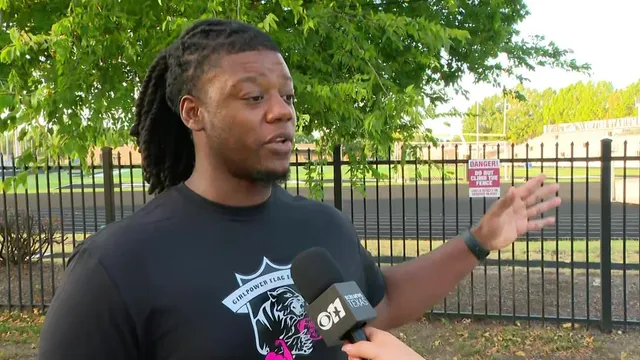
Trey Watts, a former St. Louis Rams running back, organized and led an all-girls flag football clinic at Bishop Lynch High School in Dallas, Texas, on a recent Sunday. The event drew approximately 100 girls of varying experience levels, from beginners to those with more advanced skills. Watts, who played college football as a walk-on at the University of Tulsa and later signed with the Rams as an undrafted free agent, had a two-year NFL career before being suspended indefinitely for violating the league's substance-abuse policy. Since then, he has reinvented himself as a motivational speaker and author of the book "The ALTAR Method: From Broken to Restored." The clinic was part of his broader effort to give back, particularly to young girls, and was inspired by his five-year-old daughter, who is starting kindergarten this year. Watts expressed a desire for girls her age to grow up believing they belong in football, a sport traditionally dominated by boys. The clinic aimed to teach skills, build confidence, and encourage perseverance through challenges, reflecting Watts's own journey of overcoming adversity. By hosting this free event, he sought to create opportunities and break down gender barriers in sports, showing that flag football is not just for boys. The clinic's location in Dallas, a city with a strong sports culture, provided a platform to reach a diverse group of young athletes. Watts's personal story of struggle and redemption added a motivational layer to the event, as he shared lessons from his own life to inspire the participants. The clinic was free, making it accessible to families regardless of financial means, and it was designed to be inclusive, welcoming girls of all skill levels. This initiative aligns with a growing movement to expand girls' participation in football, which has traditionally been male-dominated. By focusing on young girls, Watts aimed to plant seeds of confidence and belonging early, potentially influencing their future involvement in sports. The event also served as a way for Watts to connect with his community and use his platform for positive change, demonstrating that even after a challenging career setback, one can find purpose in helping others. The clinic's success, with 100 attendees, suggests a strong interest in girls' flag football in the area, and it may inspire similar events elsewhere. Watts's commitment to this cause is personal, as he wants his daughter and her peers to have opportunities he believes they deserve. The clinic was not just about football; it was about empowerment, resilience, and challenging stereotypes. Through this event, Watts hopes to show that girls can excel in football and that perseverance through struggles is key to success, a message he embodies in his own life. The free nature of the clinic removed barriers to participation, and the focus on all experience levels ensured that every girl could benefit, whether she was new to the sport or already skilled. Watts's background as a former NFL player lent credibility to the instruction, and his personal story of overcoming adversity made the message more relatable. The event at Bishop Lynch High School provided a safe and supportive environment for the girls to learn and have fun. Watts's motivation, rooted in his daughter's upcoming kindergarten year, underscores the importance of early exposure and encouragement in sports. By hosting this clinic, he is not only giving back but also investing in the next generation of female athletes. The clinic's timing, on a Sunday, allowed families to attend without conflicting with school or work schedules. Overall, the event was a meaningful step toward inclusivity in football, and Watts's efforts highlight the positive impact that former athletes can have on their communities.

Comprehensive report
Full story,
in detail.
Trace the developments that led here, see how the story evolved, and understand the forces and wider context surrounding it.