
Topic overview
Briefly
- More than 100 artists displayed work at Printer's Row Art Fest in the South Loop
- Glenwood Avenue Arts Festival featured over 150 artists and 25 music acts in Rogers Park
- Both festivals were free to attend and included live music, food, and festival bars
What happened
Chicago's cultural landscape was vibrant this weekend as two significant arts festivals took place simultaneously in different neighborhoods, offering residents and visitors free access to visual arts, live music, and community gatherings. The Printer's Row Art Fest, now in its sixth year, was situated in the South Loop near Dearborn and Polk streets, while the Glenwood Avenue Arts Festival celebrated its 25th anniversary in Rogers Park near the intersection of Morse and Glenwood avenues. Both events ran through Sunday, with the Printer's Row festival concluding at 5 p.m. and the Glenwood Avenue festival extending until 7 p.m.
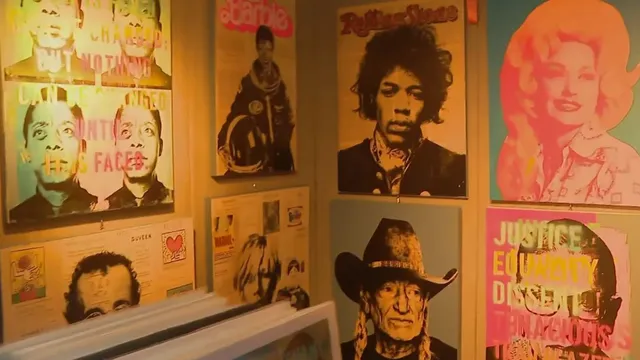
The Printer's Row Art Fest, organized by Amdur Productions, featured more than 100 artists working across various mediums including photography, painting, and sculpture. The event's poster this year highlighted the work of acrylic painter Jonah Ballard, an Arizona native known for his distinctive pink style inspired by desert landscapes and dreams. Ballard's art incorporates brand references, such as Marlboro cigarettes, creating a pop art aesthetic reminiscent of Andy Warhol. Another artist evoking Warhol's influence was Dallas-based Dane Shue, who combines media like magazines and newspapers with paint to create images of pop icons. Shue's subjects included Jimi Hendrix, David Bowie, astronaut Mae Jemison, Justice Ruth Bader Ginsburg, and Warhol himself. Beyond the visual arts, the festival provided live music performances throughout the day, with three R&B acts—Miss Philly, WestEnd 40, and the Tim Gant Project—featured in the lineup. Justin Laken, communications manager for Amdur Productions, emphasized that the event also offered food and festival bars, making it a comprehensive cultural experience for attendees.
In Rogers Park, the Glenwood Avenue Arts Festival marked a quarter-century of bringing arts to the community with more than 150 artists and over 25 music and dance performers. The festival honored local history by naming its two stages after bygone neighborhood venues. The Heartland Stage, located on Morse west of Glenwood, was named for the former Heartland Café that once operated at Glenwood and Lunt avenues. The Morseland Stage, positioned on Morse east of Glenwood, paid tribute to the Morseland music venue that previously stood in the area. The Heartland Stage hosted performances by singer-songwriter Gillian McGhee's band Hi Ho, the cabaret-inspired power pop group Tennis Court Oath, and the Latin folk fusion band Son Monarcas. The Morseland Stage featured a diverse array of acts including children's performer Miss Amy Leigh, songwriter Anna Holmquist's duo Ester, Wisconsin-based DJ Brettly, electro noise punk act Spaceracer, and singer-songwriter ktwheels. This wide-ranging lineup reflected the festival's commitment to showcasing diverse musical genres and providing entertainment for all ages.
The simultaneous occurrence of these two festivals underscores Chicago's robust support for the arts and its ability to host multiple large-scale cultural events across different neighborhoods. The Printer's Row Art Fest, though younger at six years, has established itself as a significant event in the South Loop, drawing artists from across the country and offering a platform for both established and emerging talents. The Glenwood Avenue Arts Festival's 25-year history demonstrates the enduring appeal of community-based arts events and the importance of preserving local cultural heritage, as evidenced by the stage names honoring former neighborhood institutions. Both festivals being free to the public removed economic barriers to participation, ensuring that art and music remained accessible to all Chicagoans regardless of their financial circumstances. The events also provided economic opportunities for artists, musicians, and local vendors, contributing to the city's creative economy. The festivals' programming choices, from R&B to Latin folk fusion to children's entertainment, reflected an intentional effort to cater to diverse audiences and foster inclusive community spaces where people of different backgrounds could come together through shared cultural experiences.

Comprehensive report
Full story,
in detail.
Trace the developments that led here, see how the story evolved, and understand the forces and wider context surrounding it.