
Topic overview
Briefly
- CIA, FBI, and NSA reported Chinese cyber actors targeting a U.S. presidential campaign and voter dat
- FBI recalled a counterintelligence lead because it contradicted Director Wray's Senate testimony
- NSA analyst admitted to massaging a PDB to avoid election links; an officer dissented from final
What happened
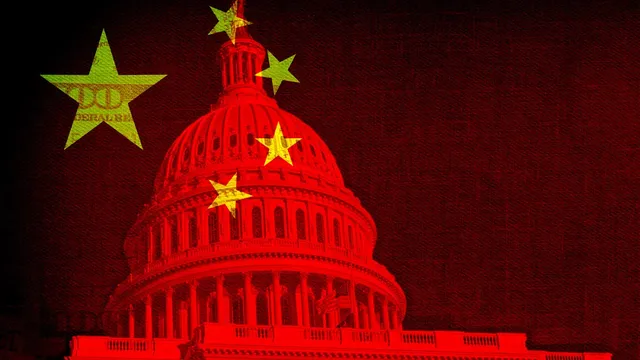
The provided text, drawn from a publication titled "What our spies cut out of the China file," reveals two intertwined stories about Chinese interference in the 2020 U.S. presidential election and the U.S. intelligence community's handling of that threat. The first story details Beijing's extensive capabilities and posture. A CIA World Intelligence Review from July 1, 2020, jointly with the FBI and NSA, reported Chinese state-sponsored cyber actors spear-phishing a U.S. presidential campaign and collecting election-related information from voter databases, a polling firm, and political organizations. That same summer, Chinese planners were mapping American vulnerabilities—recession, COVID-19, racial conflict, policing, immigration, and partisan division—to exploit, with themes questioning President Donald Trump's fitness to govern and undermining the legitimacy of his presidency. The text emphasizes that China's posture was to collect on everyone, build everything, and decide later. It fused commercial data and social media to identify persuadable, alienated, or vulnerable individuals, and had channels to reach them via TikTok, Facebook, Twitter, YouTube, and covert influencers. The text argues that "did not deploy" is not "could not deploy," and that restraint is a policy choice, not a security safeguard.
The second story is more troubling. It involves an uncorroborated but serious counterintelligence lead that was recalled by headquarters the same day it was filed, with orders to destroy every copy. When the field office reinterviewed its source and sought reissue, an internal email explained: "Again, the reporting will contradict Director [Christopher] Wray's testimony." Six days earlier, Wray had told the Senate that the FBI had "not seen, historically, any kind of coordinated national voter fraud effort in a major election." The bureau then imposed headquarters preclearance on all raw election reporting. The FBI later conceded to Sen. Chuck Grassley that its China desk of the Foreign Influence Task Force never aggressively investigated the lead, finding no information beyond a request to U.S. Customs and Border Protection. In other words, the lead was never corroborated because it was never pursued.
Two months later, with the November 2020 election being contested, an NSA analyst wrote to colleagues drafting the assessment's China section: "We have deliberately massaged our one pending PDB to avoid any direct links to the election." The same email reported that a massive report had been chopped into 13 reports that likely would not get out until late next week. The national intelligence officer for cyber objected that the community had been "deliberately avoiding mentioning a connection to elections for non-substantive reasons." The National Intelligence Council's director of election threat analysis was blunter: "The mind boggles." That officer dissented from the final assessment, concluding at moderate confidence that Beijing had taken steps to undermine Trump's reelection.
The text concludes by calling for Congress to open a full-scale inquiry, put responsible analysts, supervisors, FBI executives, and intelligence chiefs under oath, and release the full record and names before November. The underlying message is that China built the machine, and Americans are entitled to the truth.

Comprehensive report
Full story,
in detail.
Trace the developments that led here, see how the story evolved, and understand the forces and wider context surrounding it.