
Topic overview
Briefly
- Humpback whale populations in Brazil have rebounded from fewer than 1,000 in the 1980s to nearly 30,000 today.
- Tourism in Rio de Janeiro has surged, with many tourists eager to witness the whales during their migration.
- The increase in whale-watching activities raises concerns about potential conflicts between tourism and conservation efforts.
What happened
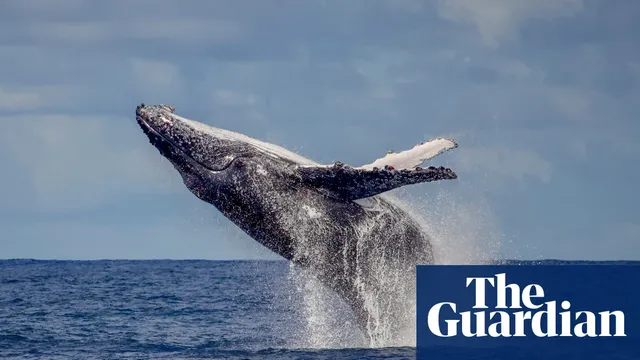
In Brazil, humpback whales have made a remarkable recovery since the 1980s, when their population was critically low, with fewer than 1,000 individuals recorded. This year, the population has grown to nearly 30,000, showcasing a significant rebound in numbers. The whales migrate along the Brazilian coast from June to November, traveling from feeding grounds in the South Atlantic to warmer breeding waters off the northeast coast. This migration has become a source of excitement for tourists, particularly in Rio de Janeiro, where sightings have increased dramatically.
The presence of humpback whales in Rio has attracted many tourists eager to witness these majestic creatures. Tour operators, like ROC Sail, have capitalized on this trend, offering whale-watching experiences that provide passengers with unforgettable views of the whales against the stunning backdrop of Rio's mountains. The whales have been spotted in various locations, including Guanabara Bay, where a juvenile whale has been observed delighting early-morning canoeists. This surge in whale sightings has also led to increased interest in marine biology and conservation efforts.
However, the rise in tourism has raised concerns among marine biologists regarding the potential impact on whale conservation. While tourism can contribute to research and awareness, it also poses risks, such as increased human-whale conflicts. Experts like Lodi have noted that the clustering of boats around migration routes can disrupt the whales' natural behaviors and habitats. The challenge lies in balancing the benefits of tourism with the need to protect these marine giants and their environment.
As the number of whale-watching boats increases, it becomes crucial to establish guidelines and best practices to minimize disturbances to the whales. Conservationists are working to formulate laws that ensure the safety and well-being of the whales while allowing tourists to enjoy the experience. The situation highlights the complex relationship between tourism and conservation, as stakeholders strive to find a sustainable path forward that benefits both the whales and the local economy.

Comprehensive report
Full story,
in detail.
Trace the developments that led here, see how the story evolved, and understand the forces and wider context surrounding it.