
Topic overview
In brief
- NASA opened a new wind tunnel at the Langley Research Center in Hampton, Virginia, marking a significant advancement in aviation and space exploration research.
- The facility replaces two older wind tunnels and is part of NASA's initiative to modernize its infrastructure and reduce maintenance costs.
- This new wind tunnel will play a crucial role in testing technologies for future missions to the Moon, Mars, Venus, and Titan.
Summary
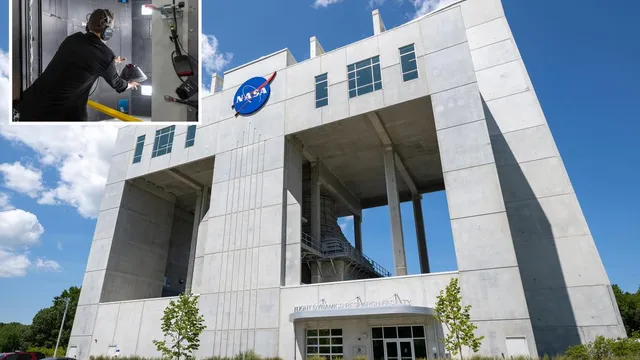
In Hampton, Virginia, NASA inaugurated its first significant wind tunnel in more than four decades on a Friday, marking a pivotal moment for aviation and space exploration research. The Flight Dynamics Research Facility, situated at the Langley Research Center, is designed to serve as a comprehensive testing ground for future aircraft and space missions. Dr. Trina Dyal, the director of NASA Langley, emphasized that this facility represents a major advancement for both NASA and the nation, enabling transformative research that will help maintain the United States' leadership in aeronautics and exploration.
The new facility, built in collaboration with the U.S. General Services Administration, replaces two older facilities that had been in operation for over 80 years. This initiative is part of NASA's broader strategy to modernize its infrastructure and reduce the costs associated with maintaining aging facilities. Jared Isaacman, NASA's administrator, highlighted the importance of investing resources into modern capabilities rather than maintaining historic facilities that have diminished demand. He stated that such investments are crucial for meeting current and future mission requirements.