
Topic overview
Briefly
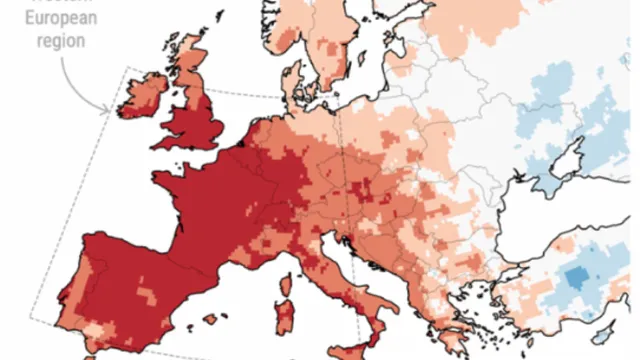
- The average temperature in Western Europe for June-July 2026 reached 21.62°C, breaking the previous record set in 2022.
- The extreme heat has led to wildfires, drought, and thousands of projected heat-related deaths.
- This situation exemplifies the intensifying effects of climate change, necessitating urgent action.
What happened
In Western Europe, the summer of 2026 has been marked by unprecedented heat waves that have led to a new average temperature record for the June-July period. According to the European climate agency Copernicus, the average temperature reached 21.62°C (70.92°F), surpassing the previous record set in 2022. This extreme heat began in May and has resulted in severe consequences, including major wildfires, prolonged drought, and a significant increase in projected heat-related deaths across the region.
The persistent high-pressure systems have trapped heat over Western Europe, exacerbating the already dire conditions. As the soils dry out, their ability to provide natural cooling diminishes, allowing heat to build up more readily. Samantha Burgess, the strategic lead for climate at the European Centre for Medium-Range Weather Forecasts, emphasized that this situation illustrates how climate change is intensifying heat extremes, with heat and drought reinforcing one another.
Globally, 2026 is currently the third-hottest year on record, trailing behind 2024 and 2025. However, scientists warn that with the ongoing effects of human-caused global warming and the emergence of a significant El Niño event, there is a growing possibility that 2026 could ultimately become the hottest year on record. The developing El Niño conditions in the equatorial Pacific are contributing to these temperature variations, leading to the highest average sea surface temperature ever recorded for July across the extra-polar oceans, which reached 20.96°C (69.73°F).
The implications of these extreme weather patterns are profound, as they not only threaten ecosystems but also pose serious risks to human health and safety. The combination of heat waves and drought conditions is expected to lead to thousands of heat-related deaths, highlighting the urgent need for climate action and adaptation strategies to mitigate the impacts of climate change in the region.

Comprehensive report
Full story,
in detail.
Trace the developments that led here, see how the story evolved, and understand the forces and wider context surrounding it.