
Topic overview
Briefly
- The ICC had an arrest warrant application ready against a Sudanese commander for crimes against humanity.
- The application was shelved despite evidence of widespread violence and U.S. sanctions.
- The ICC's inaction raises concerns about its effectiveness in addressing international crimes.
What happened
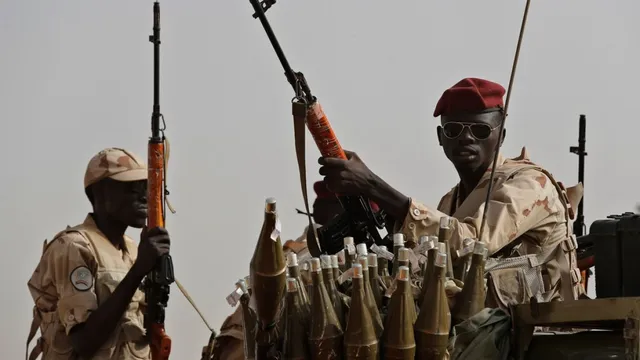
In Sudan, the International Criminal Court (ICC) has faced criticism for its inaction regarding crimes against humanity linked to the ongoing conflict in West Darfur. In April 2023, the war erupted, leading to widespread violence and destruction. The Office of the Prosecutor had prepared an arrest warrant application against Mohamed Hamdan Dagalo, a commander of Sudan's Rapid Support Forces, but ultimately decided to shelve it. This decision came despite mounting evidence of sexual violence and community destruction, as well as sanctions imposed by the United States on Dagalo. The ICC's failure to act raises questions about its effectiveness and commitment to justice.
The situation in Sudan has been dire, with the government accusing the United Arab Emirates of complicity in genocide. In July 2026, Sudan's deputy U.N. representative urged the ICC to expand its investigation to include Emirati actors. The UAE has denied these allegations, citing a previous U.N. panel report that found no evidence against it. The ICC has a history of outstanding warrants, including those for former Sudanese President Omar al Bashir and other key figures, with only a small number of warrants being executed since their issuance.
The shelved warrant against Dagalo is particularly troubling given the U.S. government's designation of the situation in Sudan as genocide. The ICC's inaction is seen as a failure to uphold its mandate to address crimes against humanity. Critics argue that the court's inability to close this case undermines its credibility and raises concerns about its future effectiveness in addressing similar situations around the world. The lack of accountability for those responsible for atrocities in Sudan highlights the challenges faced by international justice mechanisms.
As the conflict continues, the implications of the ICC's decisions are significant. The shelved warrant not only reflects the complexities of international law but also the geopolitical considerations that can influence judicial actions. The situation in Sudan serves as a critical test case for the ICC, which has been tasked with addressing serious crimes but has struggled to deliver justice in a timely manner. The ongoing violence and the court's failure to act may embolden perpetrators and further erode trust in international legal institutions.

Comprehensive report
Full story,
in detail.
Trace the developments that led here, see how the story evolved, and understand the forces and wider context surrounding it.