
Topic overview
Briefly
- An experimental treatment called Coya 302 is being tested in Philadelphia for ALS patients.
- The therapy targets immune cells to reduce inflammation that may harm motor neurons.
- There is hope that this treatment could stabilize or slow the progression of ALS.
What happened
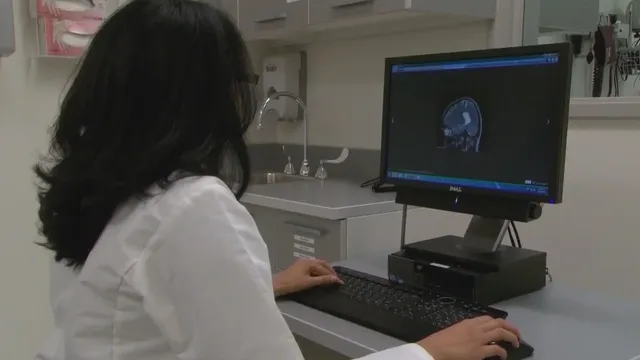
In Philadelphia, researchers are testing an experimental treatment aimed at providing new hope for individuals suffering from Amyotrophic Lateral Sclerosis (ALS), also known as Lou Gehrig's disease. This debilitating neuromuscular disorder leads to a gradual loss of motor function, and current treatment options are limited, primarily focusing on slowing the disease's progression rather than offering a cure. The new therapy, named Coya 302, is being investigated at Temple Health and targets immune cells that may contribute to inflammation damaging motor neurons. The clinical trial seeks to enroll patients who have experienced symptoms for approximately two years, although not all patients qualify. Gregory Petry, a patient with ALS, expressed his emotional struggles since his diagnosis three years ago, emphasizing the importance of maintaining a positive outlook despite the challenges. Dr. Terry Heiman-Patterson, an expert in ALS, highlighted the potential of this new therapy, suggesting that it could lead to significant advancements in treatment options for those with slower disease progression. The hope is that over the six-month treatment period, patients may experience stabilization or a slowing of their condition's progression, which could greatly improve their quality of life. As clinical trials continue, there is a growing focus on finding effective therapies that can enhance the lives of those affected by ALS.

Comprehensive report
Full story,
in detail.
Trace the developments that led here, see how the story evolved, and understand the forces and wider context surrounding it.