
Topic overview
Briefly
- Bedbugs are on the rise and worst in summer, causing disruptions in NYC and Paris.
- A 2023 experiment showed bedbugs can acquire and spread MRSA, but more research is needed.
- Infestations are common in low-income housing; prevention includes checking rooms and treating items
What happened
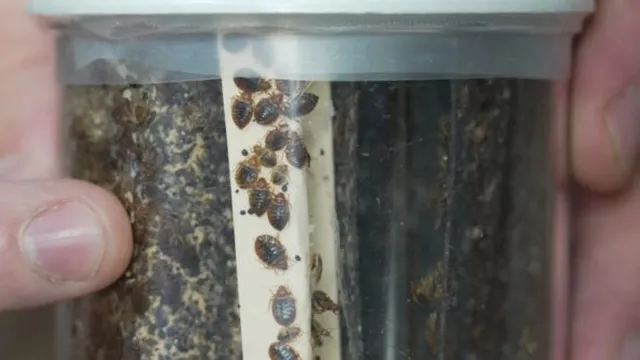
Bedbugs, the reddish-brown bloodsucking pests about the size of an apple seed, are on the rise and tend to be at their worst during the summer months. They have caused significant disruptions in major cities, such as New York City in 2018, when several buses were taken out of service after reports of bedbugs crawling on seats, and in Paris in 2023, when reports of bedbugs at a movie theater, on trains, and on buses emerged in the lead-up to the 2024 Olympics. These incidents highlight the ease with which bedbugs can spread and the importance of vigilance in preventing infestations.
While bedbugs are not thought to spread diseases from one person to another, a 2023 experiment by University of South Dakota researchers demonstrated that bedbugs could acquire MRSA (Methicillin-resistant Staphylococcus aureus) during one feeding and spread it during a later one. The experiment used blood capsules with an artificial skin to show this transmission. However, follow-up research is needed to prove that bedbugs actually spread MRSA to people, according to one of the study's authors, Jose Pietri, now at Purdue University.
Bedbug infestations are more common in low-income or public housing, which may not hire the large pest control companies that compile rankings of the worst cities for bedbugs, as noted by Lee in an email. To prevent bringing bedbugs home, travelers are advised to check hotel rooms for signs of bedbugs by pulling back covers and sheets, avoid placing luggage on beds or floors, and consider using light-colored trash bags or placing bags in the bathtub. After returning home, visually inspect items and treat them before bringing them inside; for clothes, washing and drying them for an hour is recommended.
For those dealing with an infestation, the U.S. Environmental Protection Agency offers do-it-yourself guidance, but it is labor-intensive, involving sealing hiding spaces and treating infested items. Pietri warns against using random chemicals, as bedbugs are likely resistant to some first-line insecticides. Hayes advises people not to panic, emphasizing that with proper measures, infestations can be managed.

Comprehensive report
Full story,
in detail.
Trace the developments that led here, see how the story evolved, and understand the forces and wider context surrounding it.