
Topic overview
Briefly
- A significant portion of the UK population has tattoos, with many public figures among them.
- Research shows that visible tattoos on the face or neck are often considered unprofessional.
- Despite growing acceptance, individuals with visible tattoos may still face career limitations.
What happened
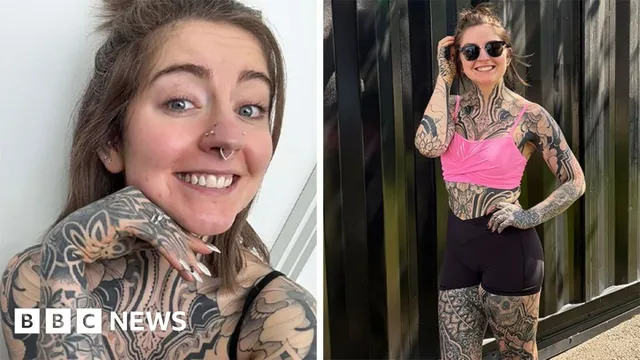
In the UK, tattoos have become increasingly mainstream, with a significant portion of the population, including public figures, sporting them. Despite this growing acceptance, visible tattoos, particularly on the face and neck, are still viewed negatively in professional settings. Research conducted by YouGov in 2022 revealed that around two-thirds of respondents considered such tattoos unprofessional, while other visible tattoos were seen as more acceptable. This perception can limit career opportunities for individuals with tattoos in these areas, as many employers still hold traditional views on professionalism. The stigma surrounding tattoos has persisted over the years, with many artists historically avoiding tattooing visible areas like hands, neck, and face due to concerns about job prospects. However, the cultural landscape is shifting, with celebrities like Harry Styles and Ed Sheeran embracing extensive tattoo coverage, which may influence public perception positively. Individuals like Catherine Hibbert, who waited years to get her first tattoo, express a personal connection to their ink, often viewing it as a form of self-expression or commitment to significant life events. While there is a growing acceptance of tattoos, the divide in perceptions remains, indicating that individuals with visible tattoos may still face challenges in certain professional environments.

Comprehensive report
Full story,
in detail.
Trace the developments that led here, see how the story evolved, and understand the forces and wider context surrounding it.