
Topic overview
In brief
- Google's Nano Banana AI feature was misused by users to create misleading images.
- The company implemented watermarks and cryptographic technology to identify AI-generated content.
- Google discontinued the feature to enhance safeguards and address policy violations.
Summary
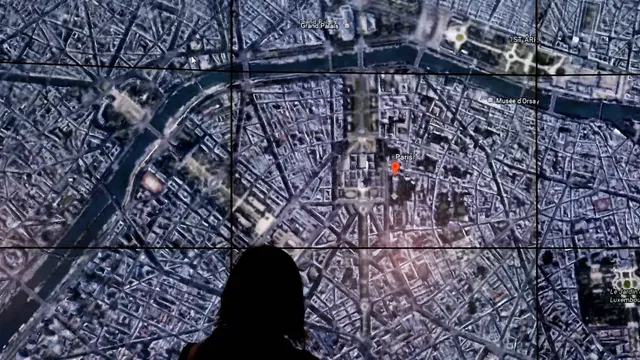
In early August 2026, Google announced the discontinuation of its Nano Banana AI feature integrated with Google Earth. This decision came after users began misusing the tool to generate misleading images, including fabricated scenes of disasters and military installations. The AI was designed to allow users to create and edit images while maintaining realistic features, but it quickly became apparent that the generated content was being manipulated for disinformation purposes. Google had initially envisioned legitimate applications for the technology, such as visualizing planning concepts and historical reconstructions, but the misuse of the feature led to significant concerns about trust and accuracy in the platform.
The company implemented safeguards, including watermarks to indicate AI-generated content and the use of SynthID, a cryptographic watermarking technology. However, these measures were not sufficient to prevent the creation of harmful imagery. Users generated false images of sensitive locations, such as a nuclear plant in Iran and refugees at the Mexico-US border, which raised alarms about the potential for disinformation. Google acknowledged that the generated imagery violated company policies and decided to roll back the feature while working on stronger guardrails to prevent future misuse.