
Topic overview
In brief
- U.S. President Donald Trump announced a peace deal aimed at disarming Hamas and reducing Israeli military presence in Gaza.
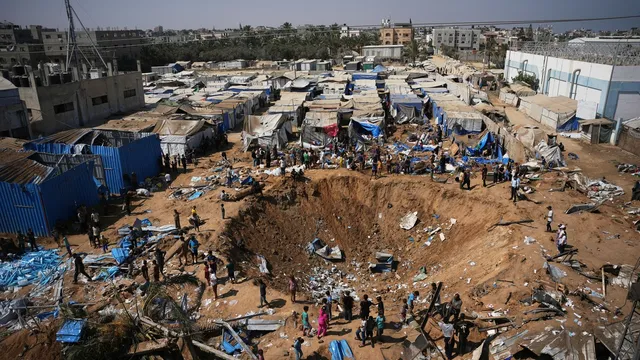
- Despite the announcement, Israel conducted airstrikes in Gaza, resulting in at least 18 deaths and raising concerns about the ongoing conflict.
- The situation highlights the challenges of achieving peace, as skepticism remains regarding Hamas's compliance and the effectiveness of international mediation.
Summary
In Gaza, a region that has been embroiled in conflict, Israeli military actions intensified following a peace deal announcement by U.S. President Donald Trump. The deal aimed for the Palestinian militant group Hamas to disarm completely while Israel would pull back its forces. However, skepticism from Israeli officials regarding Hamas's willingness to comply led to a swift escalation in violence. On a single day, Israeli airstrikes resulted in the deaths of at least 18 individuals, raising concerns about the potential for a renewed cycle of violence. The situation has been exacerbated by a humanitarian crisis affecting over 2 million residents in Gaza, who face severe shortages of food, water, and shelter due to ongoing military operations. The ceasefire, brokered by the United States, Egypt, Qatar, and Turkey, has been technically in place since October 2025, yet the recent Israeli strikes have undermined hopes for lasting peace. Mediators have urged Israel to adhere to international law and cease its bombing campaign, emphasizing the need for both parties to fulfill their commitments under the ceasefire agreement. The Israeli government, led by Prime Minister Benjamin Netanyahu, remains cautious, especially with upcoming elections, and has not yet achieved its goal of total victory over Hamas. The ongoing conflict continues to threaten the fragile path toward de-escalation and peace in the region.