
Topic overview
In brief
- Scientists report an increase in shark species in southern waters due to rising water temperatures.
- Lifeguards in Jersey cleared the sea after a large shark sighting, but the risk of attacks is extremely low.
- The increase in shark sightings is linked to changes in prey availability and migration patterns.
Summary
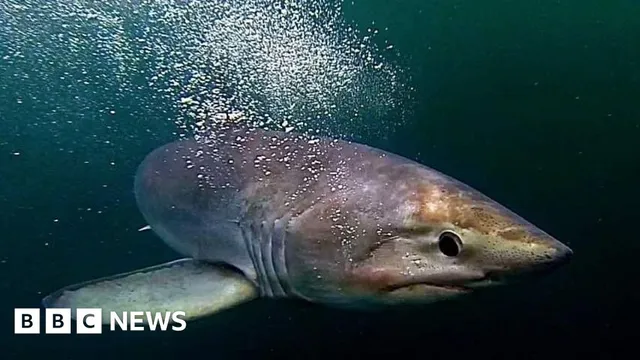
In recent months, southern waters, particularly around the Channel Islands and south-west England, have seen a notable increase in various shark species. This change is attributed to rising water temperatures, which have caused shifts in the migration patterns of both sharks and their prey. Marine expert Bryce Stewart from the Plymouth-based Marine Biological Association has highlighted that as prey species move north into warmer waters, sharks are following suit. Lifeguards in Jersey recently had to clear the sea after a large shark, estimated to be between 10 to 12 feet long, was spotted near a beach.
Alex Plaster, a member of Jersey's marine resources team, noted that while there have been rare sightings of larger sharks such as shortfin mako, porbeagle, and blue sharks, the likelihood of a shark attack remains extremely low. He emphasized that there has never been a recorded shark bite in the English Channel, including Jersey. The sightings of larger sharks are often misidentified, as they could be basking sharks or other species that occasionally swim into the area due to changing ocean currents and weather patterns.