
Topic overview
In brief
- Between July 30 and 31, 2026, approximately 80,000 migrants surged into Ceuta from Morocco.
- Ceuta's president reported around 100 deaths during the border rush and highlighted the ongoing humanitarian emergency.
- The situation has left the local population feeling vulnerable and has prompted calls for urgent support from European authorities.
Summary
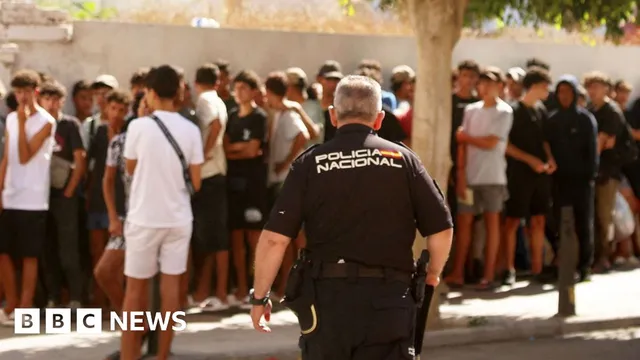
In late July 2026, a significant surge of migrants occurred at the Spain-Morocco border, leading to a crisis in the Spanish enclave of Ceuta. Ceuta's president, Juan Jesus Vivas, reported that approximately 80,000 migrants, primarily military-aged men, rushed into the city over the course of two days, equivalent to the entire population of Ceuta. This unprecedented influx resulted in a tragic death toll of around 100 individuals during the event. While many migrants have since returned to Morocco, Vivas emphasized that between 3,000 and 5,000 migrants still remain in the city, creating a state of emergency. The reception centers for migrants are overwhelmed, leading to a humanitarian crisis characterized by inadequate resources and public safety concerns. The local population is experiencing heightened anxiety and fear, feeling vulnerable and exposed due to the situation. Vivas has called for urgent support from European authorities and proposed measures to restore order, including expelling remaining migrants and enhancing resources for migrant facilities. The crisis has also highlighted the ongoing tensions between Spain and Morocco regarding territorial integrity and migration control, as both countries grapple with the implications of this mass movement of people.