
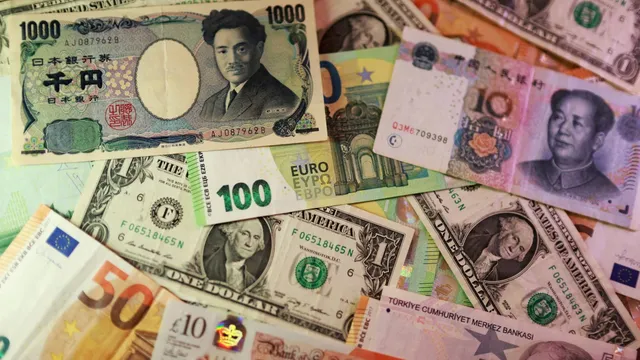
Topic overview
Briefly
- The yen's value dropped to 159.29 per dollar, marking a significant decline.
- This decline wiped out half of the gains from a recent U.S.-Japan intervention.
- Market analysts express concerns that without further intervention, the yen may continue to weaken.
What happened
On August 10, 2026, the Japanese yen experienced a significant decline, weakening by 1% to 159.29 per dollar. This marked the worst performance among the Group-of-10 currencies for that day. The decline erased half of the gains made during a recent intervention by U.S. and Japanese authorities aimed at stabilizing the currency. The intervention, which took place on July 31, 2026, was the first coordinated effort between the two nations since 1998 and had initially lifted the yen to around 155 per dollar. However, the market's reaction indicated disappointment over the lack of further intervention following the initial effort. Analysts, including Lee Ferridge from State Street, expressed concerns that without additional support, the yen would continue to drift lower. Treasury Secretary Scott Bessent's comments about a 'whatever-it-takes' approach to assist Japan in stabilizing the yen were met with skepticism, as market participants questioned the effectiveness of such measures given the limited resources available. The situation reflects ongoing challenges in the currency markets and the delicate balance that authorities must maintain to support the yen while also considering broader economic implications.

Comprehensive report
Full story,
in detail.
Trace the developments that led here, see how the story evolved, and understand the forces and wider context surrounding it.