
Topic overview
Briefly
- A SpaceX rocket crashed into the moon on August 5, 2026, at the limb of the moon.
- Scientists used instruments like the Very Large Telescope to analyze the impact and its aftermath.
- The incident highlights the importance of preparedness in space exploration and public health.
What happened
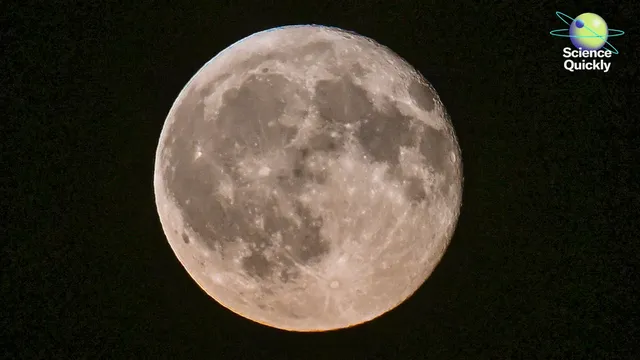
On August 5, 2026, a SpaceX rocket impacted the moon, marking a significant event in space exploration. The crash occurred at the limb of the moon, which is the outer edge, making it difficult for observers to witness the impact in real-time. Scientists utilized instruments like the Very Large Telescope to analyze the aftermath of the collision, looking for the expected plume that would result from such an impact. Although the rocket was a large piece of space debris and hit the moon at several times the speed of sound, experts confirmed that it would have no effect on Earth. This incident provided a unique opportunity for researchers to study the moon's surface dynamics and the effects of impacts, as they were able to prepare for the event in advance. In contrast, meteor impacts are often unpredictable, making them harder to study. Meanwhile, the U.S. faced a series of cyberattacks targeting water systems, highlighting vulnerabilities in local government infrastructure. The Centers for Disease Control and Prevention reported connections to a primary outbreak in six states, emphasizing the need for improved cybersecurity measures. Additionally, the approval of a new mRNA flu vaccine by the FDA aims to enhance the response to seasonal flu strains, showcasing advancements in medical technology. Overall, the combination of the moon crash and cyberattacks underscores the importance of preparedness in both space exploration and public health.

Comprehensive report
Full story,
in detail.
Trace the developments that led here, see how the story evolved, and understand the forces and wider context surrounding it.