
Topic overview
In brief
- A 2019 survey found that 63% of journeys in selected Indian cities are made on foot.
- Many footpaths are broken, narrow, or inaccessible, leading to high pedestrian fatalities.
- The Supreme Court has emphasized the need for pedestrian-friendly infrastructure in Indian cities.
Summary
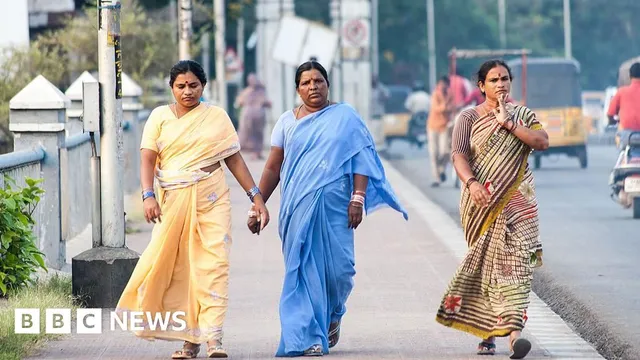
India is facing a significant challenge regarding pedestrian safety and infrastructure in its cities. A 2019 survey revealed that 63% of all journeys in selected cities were made on foot, making pedestrians the largest group of road users. However, the infrastructure supporting these pedestrians is severely lacking. Many footpaths are broken, narrow, or inaccessible, particularly for older individuals, children, and those with disabilities. A 2011 study indicated that the streets in six major Indian cities routinely fail to accommodate pedestrians due to poor and unsafe infrastructure. The Walkability in Indian Cities report by the Clean Air Initiative for Asian Cities (CAI-Asia) assigned a median walkability score of only 47 out of 100 to the surveyed cities, with the worst conditions found around public transport terminals, which ironically are the starting and ending points for many walking journeys. Geetam Tiwari, a transport scholar at the Indian Institute of Technology (IIT) Delhi, noted that pedestrians have been marginalized within the road networks, often forced to share space with motor vehicles. In major cities like Delhi and Mumbai, pedestrians account for more than half of all road deaths, highlighting the urgent need for improved infrastructure. Rishi Aggarwal, an advocate for pedestrian rights in Mumbai, emphasized that while many roads have footpaths, they are often unusable due to poor governance. The focus of urban transport governance remains on facilitating vehicle movement rather than ensuring pedestrian safety. This neglect leaves those who cannot afford cars or motorcycles at risk on roads that do not adequately accommodate them. The Supreme Court's recent reflections on walking as a fundamental right underscore the necessity for cities to prioritize pedestrian-friendly infrastructure, moving beyond merely creating footpaths to fostering environments where walking is safe and accessible for all. The judges have called for a shift in perspective, urging city planners to consider how people walk rather than how to move more vehicles.