
Topic overview
In brief
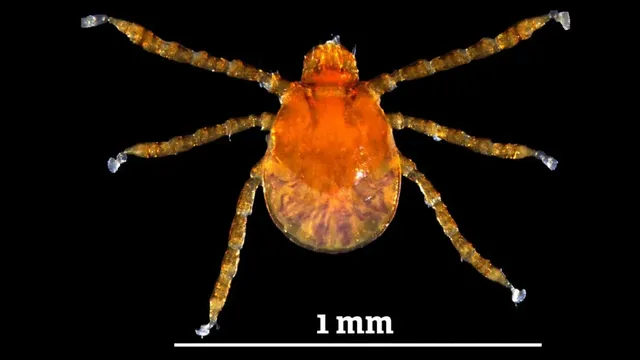
- U.S. Customs and Border Protection intercepted a Southern cattle tick nymph at Detroit Metro Airport.
- The tick was found among leaves arriving from Vietnam, a species previously considered eradicated in the U.S.
- This incident underscores the importance of monitoring agricultural pests to protect the U.S. livestock industry.
Summary
In a recent incident at Detroit Metro Airport, U.S. Customs and Border Protection (CBP) officials intercepted a Southern cattle tick nymph that had arrived on leaves from Vietnam. This species of tick, known scientifically as Rhipicephalus (Boophilus) annulatus, was once considered eradicated in the United States. The detection of this tick is significant as it poses a serious threat to livestock, particularly cattle, horses, and white-tailed deer, by spreading a fatal disease known as cattle fever. The disease had previously caused substantial losses to the U.S. cattle industry during the late 1800s and early 1900s, leading to a decades-long eradication campaign that successfully eliminated these ticks from most of the country by 1943. Currently, cattle fever ticks are only found in specific regions of Texas along the Mexican border, as well as in Puerto Rico and the U.S. Virgin Islands. Federal and Texas agriculture officials conduct annual inspections of livestock in these affected areas to ensure that animals are certified as tick-free before being transported elsewhere. The recent interception at Detroit Metro Airport highlights the ongoing vigilance required to prevent the introduction of agricultural pests into the U.S. Previous interceptions by CBP at the airport have included various unwelcome agricultural pests, indicating a persistent risk of invasive species entering the country through international travel.