
Topic overview
Briefly
- SpudCell is a synthetic cell assembled from biomolecules that can feed, grow, and replicate to a ext
- SpudCell cannot survive independently and must be suspended in a nutrient broth to function
- Scientists and ethicists disagree on whether creating synthetic cells like SpudCell is ethical or
What happened
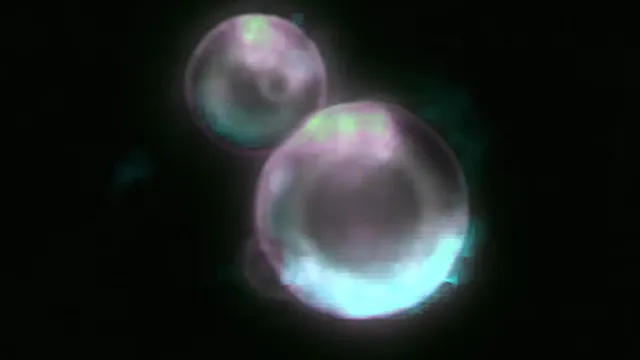
In the ongoing quest to understand and manipulate the fundamental processes of life, researchers have achieved a notable milestone with the creation of SpudCell, a synthetic cell assembled in the laboratory from biomolecules such as proteins, lipids, and DNA. This achievement, while celebrated as a step toward artificial life, has also sparked intense debate about the ethical boundaries of such research and the potential risks it poses to natural ecosystems and human health.
SpudCell is not a living organism in the traditional sense. It cannot survive in a natural environment, metabolize nutrients on its own, or perpetually self-replicate. Instead, it must be suspended in a nutrient-rich broth that provides the necessary biomolecules for it to perform basic functions. As bioengineer Tara Daens noted, "It doesn't reliably pass on its genetic material." This limitation distinguishes SpudCell from natural cells and underscores the complexity of creating truly autonomous life. Despite these constraints, SpudCell demonstrates impressive capabilities, including the ability to feed, grow, and replicate to a limited extent, which has led some to describe it as a "genuine milestone on the road toward" lab-engineered life.
The potential applications of synthetic cells like SpudCell are vast and promising. In space travel, for instance, astronauts could carry packets of synthetic cells that, when activated with water, could manufacture necessary medications on demand, reducing the need for extensive medical supplies. In environmental remediation, synthetic cells could be designed to consume oil spills, offering a novel approach to cleaning up ecological disasters. In medicine, they could be engineered to target and treat diseases, including cancer, by delivering therapeutic agents directly to affected cells. These possibilities have generated significant excitement among scientists and the public alike.
However, the creation of synthetic cells also raises serious concerns. One of the most alarming scenarios is the potential for synthetic cells to outcompete natural microorganisms. If synthetic cells possess better Darwinian fitness than their natural counterparts, they could disrupt ecosystems by displacing native bacteria. Moreover, because the internal enzymes of SpudCell are reversed compared to all known bacteria, our immune systems and those of other organisms might not recognize these invaders, leaving us defenseless against potential infections. This could have catastrophic consequences, especially if synthetic cells were ever released into the environment, whether accidentally or intentionally. The possibility of misuse in biowarfare, where synthetic cells could be engineered to cause harm, adds another layer of concern.
The ethical dimension of this research is equally contentious. Critics argue that by creating synthetic life, scientists are overstepping the bounds of human knowledge and playing God, a sentiment echoed in the Frankenstein analogy. Proponents, however, contend that such research is essential for advancing our understanding of life and for developing solutions to pressing global challenges. The debate is not merely academic; it has practical implications for how such research is regulated and funded.
Despite the hype surrounding SpudCell, it is important to note that it was not created "from scratch" as some headlines have claimed. Even the New York Times acknowledged that "SpudCell's originators do not claim to have created life." The cell relies on existing biological machinery and components, and its functionality is limited. This reality tempers the excitement and underscores the fact that we are still far from creating truly autonomous artificial life. Nevertheless, the progress made with SpudCell represents a significant step forward in synthetic biology, offering a platform for further research and development.
In conclusion, the creation of SpudCell is a double-edged sword. On one hand, it holds the promise of revolutionary applications in medicine, space exploration, and environmental cleanup. On the other hand, it poses potential risks to natural ecosystems and human health, and raises profound ethical questions about the nature of life and humanity's role in creating it. As research continues, it will be crucial to balance innovation with caution, ensuring that the benefits of synthetic biology are realized while mitigating its dangers.

Comprehensive report
Full story,
in detail.
Trace the developments that led here, see how the story evolved, and understand the forces and wider context surrounding it.