
Topic overview
Briefly
- Extreme heat and low rainfall have led to an early harvest in Franciacorta, Italy.
- Winemakers are adapting by starting the harvest at 4 a.m. to preserve grape quality.
- The trend of earlier harvests is becoming common across Europe due to climate change.
What happened
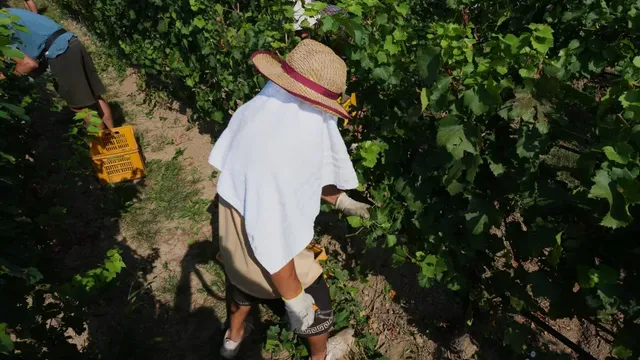
Italy is experiencing significant changes in its wine harvest schedule due to climate change, particularly in the Franciacorta region. This year, the extreme heat has led to temperatures reaching highs of 37 to 38 degrees Celsius (99 to 100 degrees Fahrenheit) and below-average rainfall, prompting winemakers to begin their harvest 10 days earlier than the previous year and about a month earlier than three decades ago. The unusually warm weather has resulted in early bud production and rapid maturation of grapes, particularly Pinot Nero, which is essential for sparkling wine blends. To manage the heat and preserve grape quality, Berlucchi, a leading producer in the region, has started harvesting at 4 a.m. under floodlights. This early start is crucial as even a slight delay can compromise the acidity and sugar levels necessary for high-quality sparkling wine production. The trend of earlier harvests is not limited to Franciacorta; regions like Sicily and parts of Tuscany are also adapting to the changing climate by starting their harvests earlier. Experts emphasize that winemakers must closely monitor their fields to ensure they harvest at the optimal time, as climate change continues to alter traditional wine production schedules. The situation reflects a broader trend across Europe, where winemakers in France and Germany are also facing similar challenges due to rising temperatures and changing weather patterns.

Comprehensive report
Full story,
in detail.
Trace the developments that led here, see how the story evolved, and understand the forces and wider context surrounding it.