
Topic overview
Briefly
- July 2026 was the hottest month ever recorded in the contiguous United States, with an average temperature of 76.9 degrees Fahrenheit.
- Extreme heat waves affected over 185 million people, leading to heat alerts in major cities and significant impacts on agriculture and energy consumption.
- The record temperatures and associated wildfires highlight the urgent need to address climate change and its consequences.
What happened
In July 2026, the contiguous United States experienced unprecedented heat, marking it as the hottest month ever recorded since NOAA began tracking temperatures in 1895. The average temperature across the Lower 48 states reached 76.9 degrees Fahrenheit, which is 3.3 degrees above the 20th-century average. This extreme heat was attributed to a series of heat domes that trapped warm air over various regions, leading to record-breaking temperatures in states like Wyoming, which recorded its hottest July and month overall. The heat waves affected millions, with over 185 million people placed under heat alerts, particularly in major metropolitan areas such as New York City and Washington, D.C.
The month was characterized by not only high temperatures but also significant weather events, including droughts, severe storms, and flash flooding. Despite the overall dry conditions, some areas experienced heavy rainfall, leading to flooding in places like eastern New York and Texas Hill Country. The extreme weather was exacerbated by climate change, which scientists have linked to the increasing intensity and frequency of heat waves. The situation was further complicated by a developing El Niño event, which is expected to influence global temperatures in the coming months.
The consequences of this extreme heat were felt across various sectors, including agriculture and energy. Many residents reported increased electricity bills due to the need for air conditioning, and outdoor activities were significantly impacted. The heat also contributed to the worsening drought conditions, with nearly half of the contiguous U.S. experiencing drought by early August. In Puerto Rico, over two-thirds of the island was in drought, prompting water rationing in some communities.
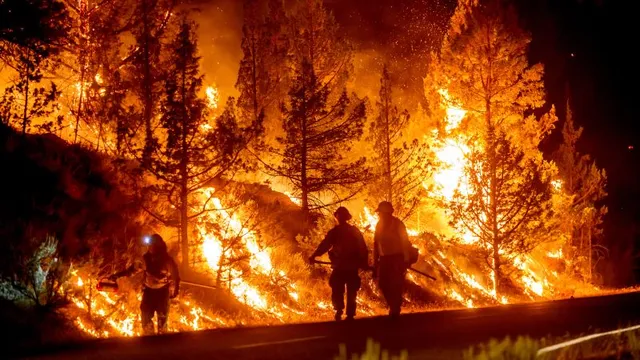
As the month progressed, wildfires became a major concern, particularly in the Pacific Northwest, where over 140,000 acres were scorched in Oregon alone. The fires prompted evacuations and highlighted the growing threat of wildfires in the context of climate change. The extreme heat and wildfires in the U.S. mirrored similar conditions in Europe, where multiple heat waves led to significant wildfires and droughts. The record-breaking temperatures in July 2026 serve as a stark reminder of the ongoing climate crisis and its far-reaching impacts on weather patterns and human activities.

Comprehensive report
Full story,
in detail.
Trace the developments that led here, see how the story evolved, and understand the forces and wider context surrounding it.