
Topic overview
Briefly
- Misinformation about Covid-19 vaccines and miscarriage risk has spread, particularly among Republican lawmakers.
- Claims of an 82% miscarriage risk are based on misinterpretations of data from a study that was later corrected.
- Experts affirm that Covid-19 vaccines are safe for pregnant women, emphasizing the importance of accurate information.
What happened
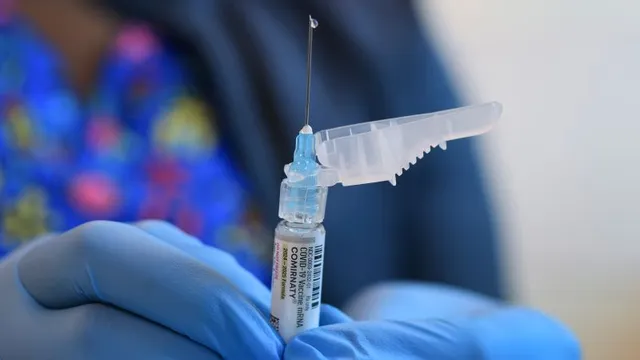
In recent months, misinformation regarding the safety of Covid-19 vaccines during pregnancy has proliferated, particularly in the United States. This surge in false claims has been fueled by certain Republican lawmakers and officials from the Trump administration, who have misinterpreted data to suggest a significantly increased risk of miscarriage associated with the vaccines. One notable claim suggested an 82% risk of miscarriage, which was based on a misrepresentation of a study that initially reported a 12.6% miscarriage rate. However, this figure was later corrected, as researchers acknowledged that there was insufficient data to accurately calculate the risk of miscarriage from the study. The researchers pointed out that a large portion of the pregnancies included in the study were in the third trimester, which complicated the risk assessment. This misinterpretation of data has raised concerns among healthcare professionals, who emphasize the importance of accurate information regarding vaccination during pregnancy. Dr. Brenna Hughes, chair of the Society for Maternal-Fetal Medicine’s Infectious Disease and Emerging Threats Committee, stated that the benefits of vaccination far outweigh the risks, and the existing literature supports the safety of Covid-19 vaccines for both pregnant women and their babies. The US Centers for Disease Control and Prevention has also affirmed that vaccination does not increase health risks for pregnant women or their infants. Despite the overwhelming evidence supporting vaccine safety, the spread of misinformation has led to confusion and distrust among pregnant women regarding medical interventions. This situation highlights the critical need for reliable sources of information and the role of medical societies in providing guidance based on extensive research and expertise. As misinformation continues to circulate, it poses a significant risk to maternal health and the well-being of future generations.

Comprehensive report
Full story,
in detail.
Trace the developments that led here, see how the story evolved, and understand the forces and wider context surrounding it.