
Topic overview
In brief
- In July 2026, a forest fire in Almeria, Spain, resulted in 14 fatalities and over 1,500 evacuations.
- Residents, including Sally Chapman, are advocating for better fire prevention protocols to avoid future tragedies.
- The increasing frequency of wildfires in Europe is linked to climate change, prompting urgent calls for action.
Summary
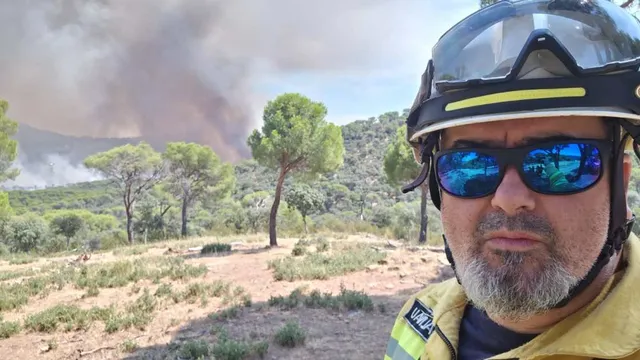
In July 2026, a devastating forest fire in Bedar and Los Gallardos, Almeria, Spain, resulted in the deaths of 14 individuals and the evacuation of over 1,500 residents. The fire, which was one of the deadliest in recent Spanish history, prompted immediate responses from local communities and firefighting teams. Sally Chapman, a resident who experienced the tragedy firsthand, described the night of the fire as the worst of her life. As the flames raged, she and her husband sought refuge in a nearby village, where they received support from locals. This incident has sparked a movement among residents to advocate for better fire prevention protocols to avoid similar tragedies in the future.
The fires in central Spain, particularly near Madrid, have also raised concerns about the increasing frequency and intensity of wildfires in Europe. Experts attribute this rise to climate change, which has led to higher temperatures, prolonged droughts, and strong winds, creating a more flammable environment. The merging of multiple fires into one massive blaze near Madrid was attributed to negligence and carelessness, highlighting the need for stricter regulations and awareness regarding fire safety.