
Topic overview
In brief
- The National Museum of American History has shifted its narrative to emphasize themes of oppression.
- Director Anthea Hartig stated the museum should expand its scope to include the entirety of the Americas.
- Critics argue that the museum should focus on celebrating American history rather than apologizing for it.
Summary
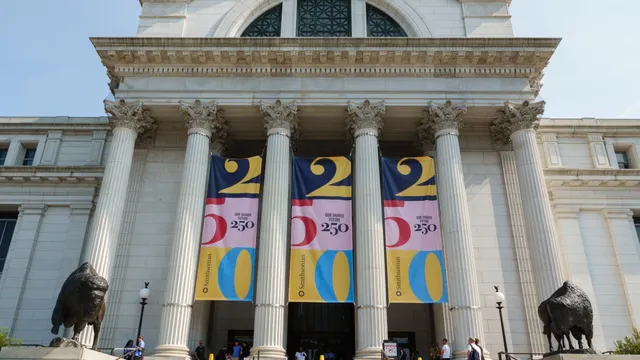
In recent months, the National Museum of American History (NMAH) has faced criticism for its evolving narrative on American history. The museum, a prominent institution in Washington, D.C., has long been a cherished destination for those seeking to learn about the nation's past. However, a shift in focus has been noted, particularly with the introduction of a reimagined narrative that emphasizes themes of oppression and the complexities of American history. This change was highlighted during a House Oversight hearing, where Director Anthea Hartig expressed the need for the museum to move away from an 'America First' mentality. She argued that the scope of U.S. history should encompass the entirety of the Americas, rather than just the United States. This perspective has raised concerns among some who believe that the museum's role is to educate about American history without erasing its borders or apologizing for its past. The NMAH has implemented a checklist for exhibits that includes core issues such as race, gender, immigration, and economic inequality, which some critics argue detracts from the celebration of American achievements. The museum's focus on these themes has led to a perceived prioritization of modern political agendas over the historical significance of American accomplishments. As the nation approaches its 250th anniversary, the expectation was for a celebration of American history, yet visitors have encountered a narrative that some feel undermines the country's heritage. The Smithsonian, funded by American taxpayers, is seen by many as a national treasure that should inspire pride rather than resentment. The ongoing debate about the museum's direction reflects broader societal discussions about how history is taught and understood in contemporary America. The call for a more inclusive narrative raises questions about the balance between acknowledging historical injustices and celebrating the nation's achievements. Ultimately, the Smithsonian's mission to preserve and present American history is at a crossroads, as it navigates the complexities of modern interpretations of the past.