
Topic overview
Briefly
- The Tshuma family, who traveled from England, were murdered in Bulawayo, Zimbabwe.
- Community members and advocates are calling for urgent action against gender-based violence.
- The situation highlights the alarming rates of violence against women in Zimbabwe, necessitating immediate intervention.
What happened
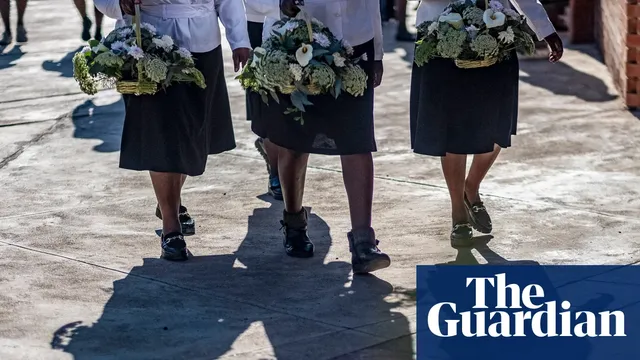
In Zimbabwe, the tragic deaths of Zandile Tshuma and her two daughters, Natalie and Nala, have ignited urgent discussions about gender-based violence. The family, who had traveled from England to Bulawayo for a visit, were brutally murdered, prompting calls for justice and action against domestic violence. The father and mother of Zandile attended the funeral, where community members expressed their sorrow and outrage over the violent nature of the killings. The police in Bedfordshire are working to extradite a suspect connected to the murders from South Africa, highlighting the international dimensions of this case.
The issue of gender-based violence in Zimbabwe is alarming, with government statistics indicating that nearly 40% of women aged 15 to 49 have faced physical violence, and between 12% to 25% have been sexually assaulted. Much of this violence occurs within the home, and the COVID-19 pandemic exacerbated the situation, leading to a reported 60% increase in gender-based violence during lockdowns. Advocacy groups, such as The Girls Table, emphasize the need for education and awareness to combat domestic violence and its societal impacts.
In Matabeleland, where the Tshuma family lived, the community is grappling with the reality of femicide and its consequences. Local leaders and advocates are calling for more resources and support from the government to address the issue effectively. The costs associated with gender-based violence are staggering, with estimates suggesting that the direct and indirect costs could reach up to $2 billion, factoring in healthcare, lost productivity, and the impact on education for young girls.
Miranda Tabifor, representing the UN Population Fund in Zimbabwe, has urged the government to invest in addressing domestic violence, warning that failure to do so could result in a loss of up to 3.8% of the country's GDP. The community's response to the Tshuma family's tragedy reflects a growing awareness of the need for change and the importance of addressing the root causes of violence against women in Zimbabwe. As the nation mourns, there is a collective hope for justice and a commitment to preventing further tragedies.

Comprehensive report
Full story,
in detail.
Trace the developments that led here, see how the story evolved, and understand the forces and wider context surrounding it.