
Topic overview
Briefly
- Nearly half of Minnesota is now in a severe drought, including parts of the metro area.
- Butch Cardinal stopped most direct seeding due to dry soil and high irrigation costs.
- Lack of subsoil moisture threatens crop viability for the 2027 growing season.
What happened
The 2026 growing season has brought increasingly dire conditions to Minnesota's agricultural sector as a severe drought continues to expand across the state. The latest drought monitor data reveals that nearly half of Minnesota is now grappling with severe drought classification, a significant escalation from the previous week when the Twin Cities metropolitan area had not yet been included in the affected zone. The most parched conditions are concentrated in the central and northern regions of the state, where rainfall deficits have been most pronounced. This meteorological pattern has placed enormous strain on farming operations, forcing producers to make difficult decisions about their cultivation strategies and financial futures.
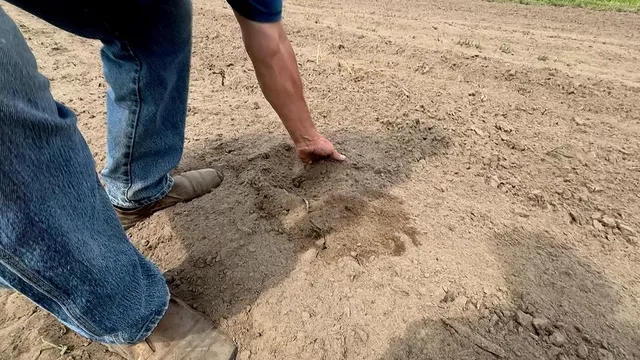
At All Good Organics in Lino Lakes, a farm that has been in the Cardinal family for 160 years, dating back to just one year after the Civil War, the impact of the drought is acutely felt. Butch Cardinal, 63, who has spent his entire life working the land, has been compelled to dramatically scale back his operations. Recognizing that meaningful rainfall is unlikely for the remainder of the growing season, he has ceased most direct seeding activities because the soil lacks sufficient moisture to support germination and plant establishment. The farm's ten acres require constant irrigation to simply keep crops alive, a costly and labor-intensive measure that Cardinal describes as a significant financial burden. Despite this extraordinary effort, the crops are not developing normally, and yields are expected to be substantially below average.
The financial implications of the drought extend beyond the immediate growing season. Cardinal explained that the operation will take a considerable financial hit, and the family's primary concern is whether the business can survive the economic strain. The lack of subsoil moisture is a particularly worrying indicator for the future. Cardinal emphasized that substantial rain is needed to soak deep into the ground to replenish subsoil moisture reserves, which are critical for providing a buffer for crops in the following year. Without this recharge, the farm could enter the 2027 planting season already in a moisture deficit, compounding the current year's losses and creating a multi-year agricultural crisis.
The situation at All Good Organics reflects a broader crisis unfolding across Minnesota's farm country. The drought's expansion into the metro area signals that the dry conditions are not limited to traditionally arid regions but are affecting a wide swath of the state's productive agricultural land. Farmers are facing increased operational costs from irrigation at a time when output is declining, squeezing profit margins and threatening the viability of family farms that have operated for generations. The long-term consequences could include reduced food production, higher prices for consumers, and the potential loss of historic farming operations. For the Cardinal family, the drought represents not just a single bad year but a threat to a way of life that has persisted for over a century and a half. As Butch Cardinal noted, farming is not for everyone, but it is what his family does, and the current conditions are testing that commitment like few other events in the farm's long history.

Comprehensive report
Full story,
in detail.
Trace the developments that led here, see how the story evolved, and understand the forces and wider context surrounding it.