
Topic overview
Briefly
- Gregory Nussen adapts Italo Calvino's novel into a one-person show directed by Hannah Pilkes.
- The performance explores themes of identity, memory, and the power of storytelling.
- Nussen's work critiques dominant narratives and emphasizes the importance of diverse voices.
What happened
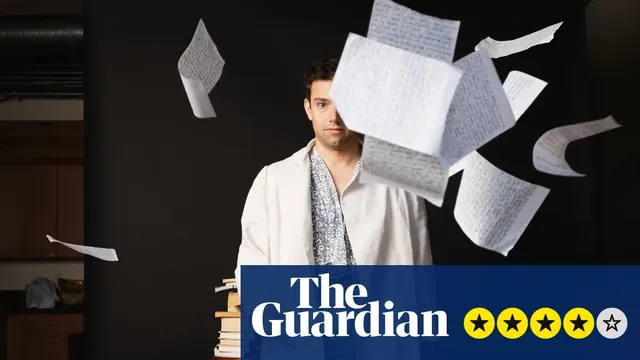
In a bold artistic endeavor, Los Angeles performer Gregory Nussen has adapted Italo Calvino's renowned novel into a one-person show. This adaptation, which takes inspiration from the original's postmodern surrealism and authorial intrusions, was directed by Hannah Pilkes. The original novel, published in 1979, explores the complexities of narrative and the reader's experience with fragmented manuscripts. Nussen's performance infuses charm and wit, transforming the intricate themes into a playful yet politically charged narrative. The show delves into Nussen's personal experiences, particularly their American Jewish upbringing, and critiques dominant narratives that often overlook marginalized voices.
Nussen's adaptation is not merely a retelling but a reinvention that emphasizes the power of storytelling and the responsibility of those who narrate. The performance reflects on the impact of historical events, such as the Holocaust, and the ongoing struggles faced by displaced communities, particularly Palestinians. By weaving their own story into the fabric of the performance, Nussen challenges audiences to confront uncomfortable truths about identity, memory, and the narratives that shape our understanding of history.
The show, titled QFWFQ, named after Calvino's narrator, serves as a platform for Nussen to explore themes of improvisation and uncertain authorship. The performance incorporates elements of metatheatre, allowing for a dynamic interaction between the performer and the audience. Nussen's use of improvisation draws parallels to their experiences and the broader context of storytelling, highlighting the importance of empathy and openness in sharing narratives that are often silenced.
Ultimately, Nussen's adaptation of Calvino's work is a call to action for audiences to engage with diverse stories and to hold unreliable narrators accountable. The performance not only entertains but also provokes thought and discussion about the complexities of identity, history, and the narratives we choose to embrace or reject.

Comprehensive report
Full story,
in detail.
Trace the developments that led here, see how the story evolved, and understand the forces and wider context surrounding it.