
Topic overview
Briefly
- The Ebola outbreak in the Democratic Republic of Congo is progressing rapidly and is expected to surpass previous records.
- The Bundibugyo virus responsible for this outbreak has no approved vaccines or treatments, complicating response efforts.
- The World Health Organization warns that the outbreak could peak in six to twelve months, highlighting the urgent need for intervention.
What happened
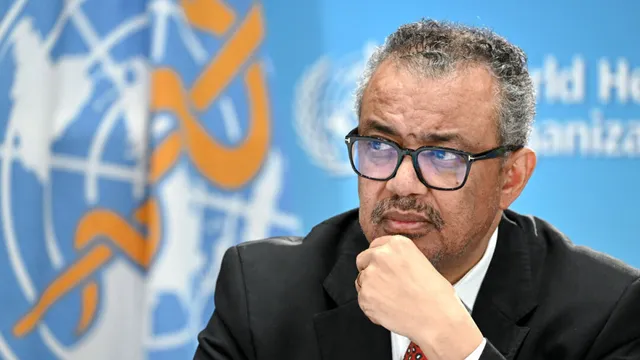
The ongoing Ebola outbreak in the Democratic Republic of Congo is alarming health officials as it is projected to exceed the deadliest outbreak recorded in history, which resulted in over 11,000 fatalities. The head of the World Health Organization, Dr. Tedros Adhanom Ghebreyesus, indicated that this outbreak is unique due to the Bundibugyo virus, which currently lacks approved vaccines or treatments. Efforts to develop solutions are underway, but the outbreak is progressing rapidly, particularly in remote areas where health infrastructure is inadequate.
Experts have noted that the outbreak has gained significant momentum, outpacing the response efforts in eastern Congo, a region plagued by ongoing conflict and poor healthcare access. Many new cases and deaths are occurring in communities that are difficult for health workers to reach, exacerbated by misinformation about the virus and a general distrust of outsiders. Some health workers have even gone on strike due to unpaid wages, further complicating the response.
Dr. Abdirahman Mahamud, WHO’s director for health emergency alert and response operations, stated that the peak of the outbreak could occur within six months, although there is a possibility it may extend to nine or twelve months under certain scenarios. This outbreak has already claimed lives at a faster rate than previous outbreaks, including the significant 2014-2016 outbreak, which took eight months to reach 1,000 deaths.
In response to the crisis, two vaccines specifically targeting the Bundibugyo virus are being tested for the first time in humans. Additionally, WHO is exploring the potential of an existing Ebola vaccine to provide protection against this variant, following promising results from animal studies. The origins of the outbreak have been traced to a transmission from an infected animal to a human, marking a distinct genetic difference from earlier Bundibugyo outbreaks in 2007 and 2012. As the situation develops, the international community remains vigilant in monitoring and responding to this escalating health crisis.

Comprehensive report
Full story,
in detail.
Trace the developments that led here, see how the story evolved, and understand the forces and wider context surrounding it.