
Topic overview
In brief
- The Rapid Support Forces have conducted numerous drone attacks on el-Obeid, targeting critical infrastructure.
- The UN has reported thousands of civilian deaths and classified the RSF's actions as genocide.
- International responses have been inadequate, raising concerns about the future of genocide prevention efforts.
Summary
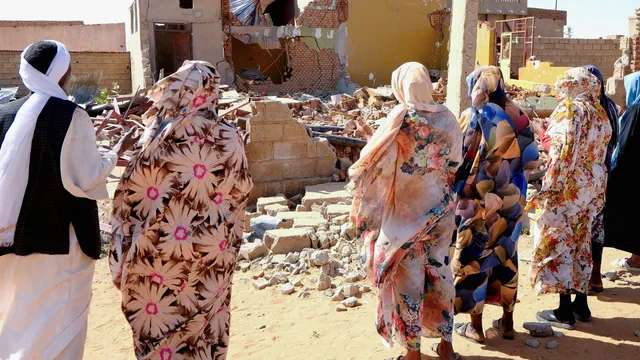
Sudan is currently experiencing a devastating conflict that has escalated over the past 40 months, primarily between the national army and the Rapid Support Forces (RSF) militia. The city of el-Obeid, a commercial capital and logistics hub, has become a focal point of violence, suffering from relentless drone attacks by the RSF. In June, the RSF launched 27 drone strikes targeting essential infrastructure, including fuel depots and water pumps, severely impacting the lives of approximately 500,000 residents. The situation has deteriorated to the point where the United Nations reported over 6,000 civilian deaths in a matter of days, with many more subjected to torture, rape, and forced disappearances. The UN investigation concluded that the RSF's actions constitute genocide, echoing similar atrocities that occurred in el-Geneina and el-Fasher earlier in the conflict. Despite the gravity of the situation, international responses have been inadequate, with historical precedents of inaction in similar crises, such as Rwanda and Bosnia, leading to a sense of hopelessness among the affected populations. The lack of military intervention or a robust international coalition to address the ongoing violence raises critical questions about the effectiveness of global efforts to prevent genocide. The G7 foreign ministers have condemned the RSF's actions and called for ceasefire talks, but mere denunciations are insufficient to prevent further atrocities. The repeated failures to act on genocide prevention highlight a troubling trend where the moral responsibility to intervene is overshadowed by political considerations, leaving civilians vulnerable to ongoing violence and suffering.