
Topic overview
Briefly
- Romania's Cernavodă nuclear plant has been shut down due to extremely low water levels in the Danube River.
- The shutdown is a result of prolonged hot weather affecting much of Europe, leading to the lowest water levels in 30 years.
- The closure of the plant raises concerns about energy supply and highlights the impact of climate change on energy infrastructure.
What happened
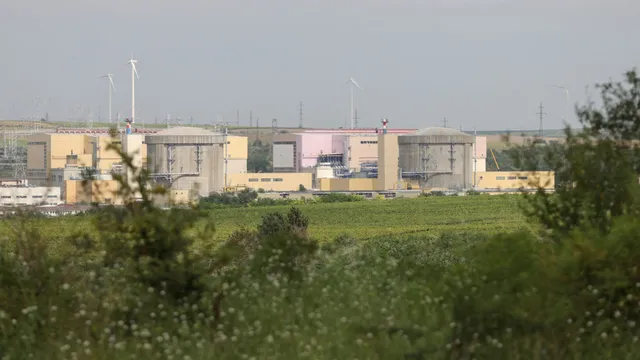
Romania has recently shut down its only nuclear power station, the Cernavodă plant, due to extremely low water levels in the Danube River. This situation has arisen from prolonged hot weather affecting much of Europe, leading to the lowest water levels in the Danube in 30 years. The Cernavodă plant, which consists of two reactors that together produce about 20% of Romania's electricity, is not expected to restart operations within the next 10 days. The first reactor had already been shut down in July, and the second reactor was disconnected from the electricity grid just before midday on Thursday.
In an effort to mitigate the impact of the low water levels, authorities attempted to increase the water flow to the plant by sinking barges loaded with rocks in the river. However, the low water levels have made it impossible for the suction nozzles used to take in water for cooling to function properly. This has raised concerns about the potential for further shutdowns, as neighboring Hungary's Paks nuclear plant, which also relies on the Danube for cooling, has so far avoided a similar fate.
The shortfall in electricity generation from the Cernavodă plant is expected to be covered by solar and wind energy during the hot, windy daytime hours. However, traditional coal- and gas-powered generation will need to be supplemented by electricity imports during the evenings. Romania also has significant hydropower capacity, but this has been severely impacted by the same low river levels that led to the nuclear shutdown.
The ongoing heatwaves and their consequences are part of a broader trend of climate change, which is causing temperatures in Europe to rise at twice the global average. This has led to warnings from officials, including France's Environment Minister Monique Barbut, about the potential economic costs of the heatwaves, estimated to be between €10 billion and €15 billion in direct and indirect costs. The situation highlights the vulnerability of energy infrastructure to climate-related events and raises questions about the future of energy generation in the region.

Comprehensive report
Full story,
in detail.
Trace the developments that led here, see how the story evolved, and understand the forces and wider context surrounding it.