
Topic overview
In brief
- Routine water sampling at John Martin Reservoir State Park detected high levels of algae toxins.
- CPW has placed warning signs to keep visitors and pets out of the water.
- Blue-green algae can cause serious health issues, prompting the need for caution.
Summary
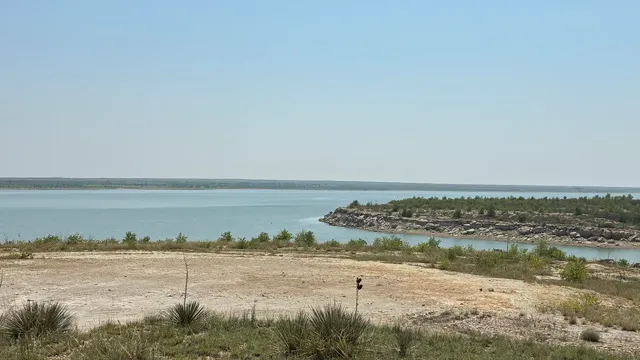
In southeast Colorado, Colorado Parks and Wildlife (CPW) has issued a warning for visitors at John Martin Reservoir State Park due to the detection of blue-green algae. Recent routine water sampling at the west boat ramp cove revealed algae toxin levels exceeding the safe threshold for recreational water contact. As a precaution, CPW has placed signs in the affected areas to alert visitors and their pets to avoid the water until it is deemed safe again. Blue-green algae, also known as cyanobacteria, can pose serious health risks, including skin rashes, gastrointestinal issues, muscle weakness, and vomiting, particularly affecting pets. The algae blooms can appear as thick pea soup or bluish-green paint on the water's surface, and they may also resemble a thick mat of foam along the shoreline or short grass clippings. Anglers are advised to steer clear of areas where the algae is visible, and anyone who comes into contact with the algae should rinse off thoroughly with clean water as soon as possible. Fortunately, water testing at the east boat ramp has shown no signs of algal toxins, and water from Lake Hasty has remained below the recommended threshold, indicating that not all areas of the park are affected by the algae bloom. The situation highlights the importance of monitoring water quality in recreational areas to ensure the safety of visitors and their pets.