
Topic overview
In brief
- In May 2023, the WHO declared the Ebola outbreak in the DRC and Uganda a Public Health Emergency.
- Virunga National Park established six health checkpoints to monitor and control the spread of the virus.
- The park's efforts aim to protect both human populations and endangered mountain gorillas from Ebola.
Summary
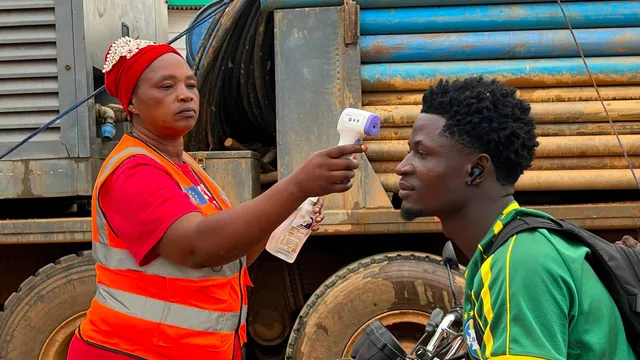
In May 2023, the World Health Organization declared the Ebola outbreak in the Democratic Republic of the Congo (DRC) and neighboring Uganda a Public Health Emergency of International Concern. This prompted Virunga National Park to implement emergency measures to protect both human populations and endangered mountain gorillas. The park, which spans a 300km stretch of protected forest, established six health checkpoints to monitor and control the movement of people in and out of the area. These checkpoints serve as roadblocks equipped with health units for handwashing, temperature screening, and first-level isolation centers. The park's rangers and health workers are actively involved in this response, leveraging their experience from previous outbreaks to enhance cooperation with Congolese health authorities.
The DRC has faced multiple Ebola outbreaks over the past decades, with the current outbreak being the 17th since records began. The previous outbreak between 2018 and 2020 resulted in nearly 2,300 deaths in North Kivu and Ituri provinces. The current outbreak has already claimed over 1,400 lives, according to Congolese health authorities. The health checkpoints established by Virunga are crucial in preventing the disease from spreading to other regions, particularly to urban areas like Goma. Information collected at these checkpoints is transmitted to the Congolese National Institute of Public Health for further monitoring and action.